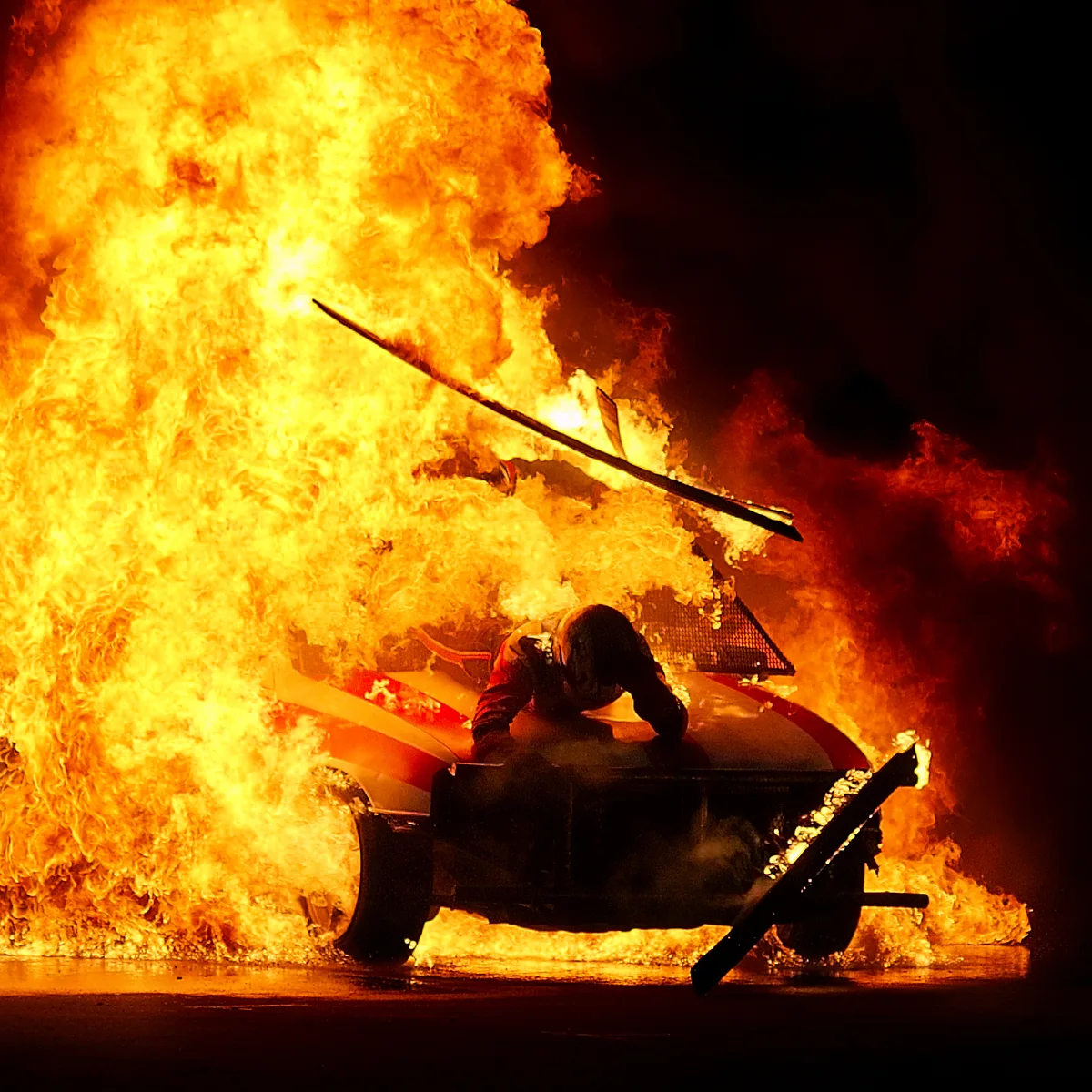
The stunt coordinator is the person who turns a script’s most dangerous line into a safe day at work. Casting the bodies, pricing the chaos, staging the fall, rigging the rescue: the job is design discipline in a daredevil’s costume. Nothing on screen looks planned. Everything on screen is planned.
Among television’s craft credits, this one shows up only in the credit roll, which is why the trade belongs among the profiles this magazine runs on jobs the industry takes for granted. The coordinator sits where fight scenes meet fight design and insurance math. The audience buys danger. The set files a risk report.
The career path also rewards people who build their own pipeline, a pattern this magazine traced in a profile of Mindy Kaling, the writer-performer who built her own development pipeline. Stunt work runs on the same self-assembly. Coordinators rise through teams, training halls, and reputations, then hire from the circles those networks create.
What a Stunt Coordinator Actually Does
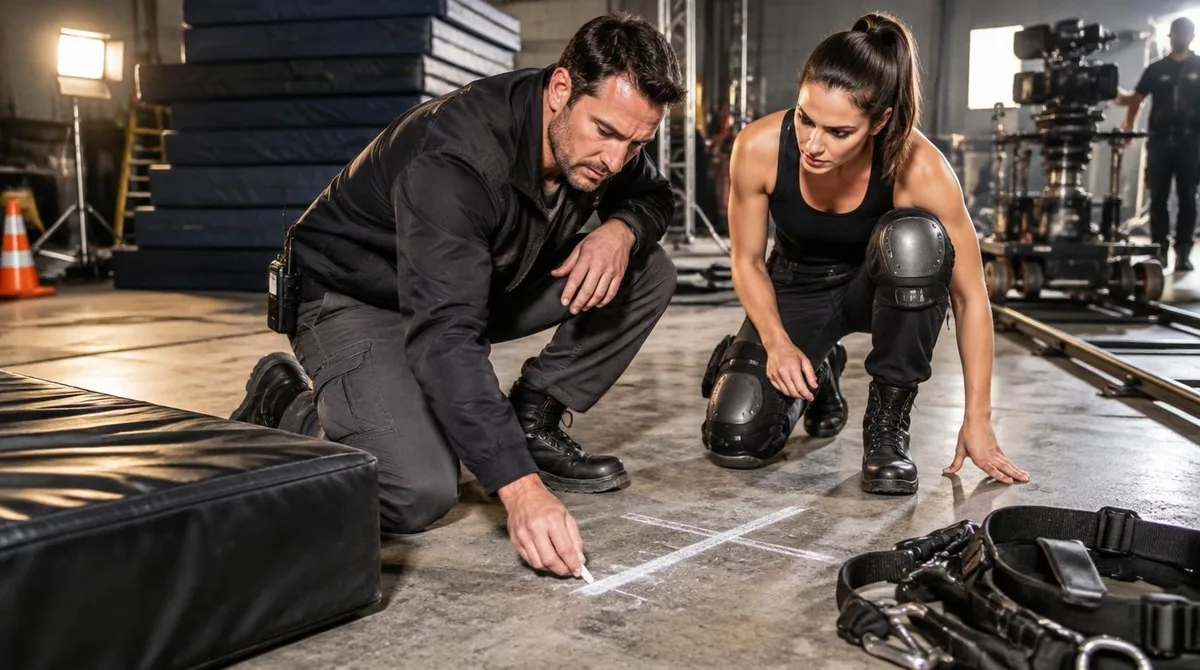
A stunt coordinator, by the standard job definition, is usually an experienced stunt performer hired to arrange the casting and performance of stunts. The coordinator budgets, designs, and choreographs the sequence to fit the script and the director’s vision, then picks the stunt players and doubles who do the visible work.
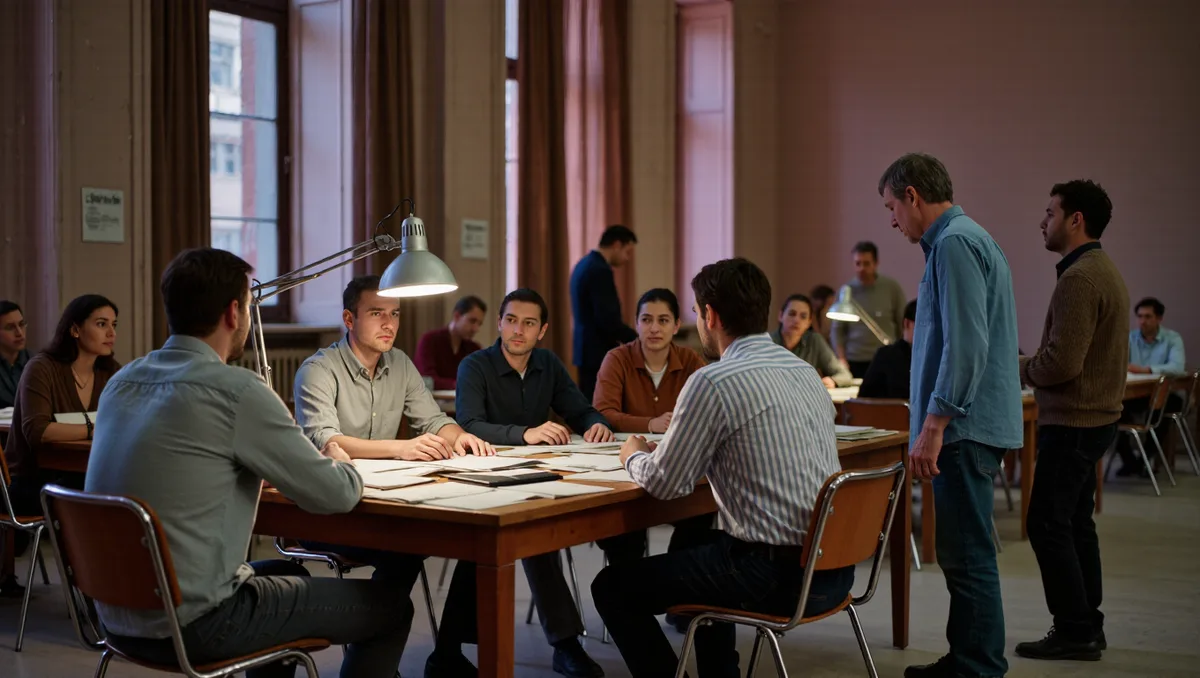
The rest of the mandate is process work. The coordinator must build a set where crew concerns can be raised without fear, make sure real rehearsals happen before filming, and vet each performer’s training. The vocabulary is choreography. The daily practice is checking names against skill sets.
Why a Fall Is an Engineering Problem
The paradox of the job is that its best work disappears. Stunts are choreographed or rigged so that, while they look dangerous, safety mechanisms are built into the act, and the visible ones are cut out later in editing, as the craft’s own reference history records. The genre’s great trick is hiding the design behind the trick.
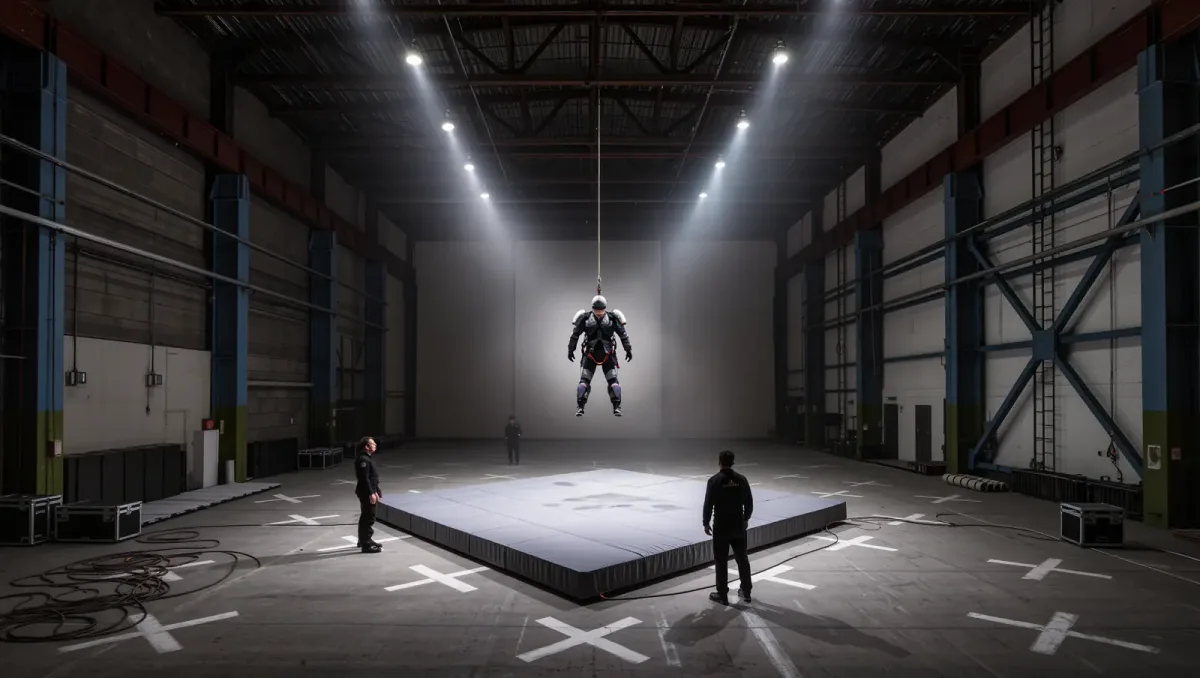
Design does not end risk; it prices it. Even a perfect stunt still strains the body, and stunt work often leads to unplanned injury. That is the real brief: stage the look of jeopardy, engineer its absence, and accept that the gap between the two is skin-deep. The fall reads as impulse on screen. On the set, it reads as load math.
How Daredevils Became Trained Professionals
The trade’s ancestry is circus. The first stunt performers were travelling acrobats, and the original name, cascadeur, comes from an archaic French term for a fall. Vaudeville and Wild West shows carried the act into mass entertainment before film took over in the early 1900s.
Paperwork, more than heroics, turned the trade into a profession. Today’s stunt performers train across fields such as martial arts and stage combat, and they must be certified members of a professional stunt organization to get the insurance that lets them work at all. The insurance certificate, not the bruise, is the true union card.
When Television Started Awarding the Work
Official credit came late, then came twice. Primetime Emmy Awards for Outstanding Stunt Coordination run in two categories, one for drama series, limited series, or movies and one for comedy series or variety programs. The awards were merged before 2013 and again in 2021, when a new award for stunt performers was created, per the Emmy record.
The trophy shelf matters less for glamour than for bookkeeping. An award category is how an industry admits a craft exists, a century after the cascadeurs were already falling for money. Credit lags the labor. The labor keeps landing anyway. This connects to our earlier piece, Monologue Performance — The Craft of the Monologue: How Actors Prepare and Perform Television's Most Demanding Moments.
Conclusion: The Design Is the Point
Every screen fall is a made thing, assembled from casting, rehearsal, rigging, and a line of budget, then sold as a moment of pure chance. The stunt coordinator is the author of that contradiction: a professional whose product looks unplanned and whose method is planning. The fall gets designed. That was always the job.