
How to Write a Profile That Readers Remember
The interviews, the structure, and the small details that turn a famous name into a person on the page.
Profiles carries the magazine's long-form portraits: actors, showrunners, directors, editors and department heads, reported over hours rather than a single phone call. Each piece asks how the work gets made and what it costs the person making it. For readers who want interviews that pass the junket answer.
Long-form portraits of actors, writers, directors and crew, reported with time on set and questions about the work instead of the private life.
The interviews, the structure, and the small details that turn a famous name into a person on the page.

The public factual blunder is its own television genre — and the interesting question is not why celebrities stumble, but why we keep the clips.
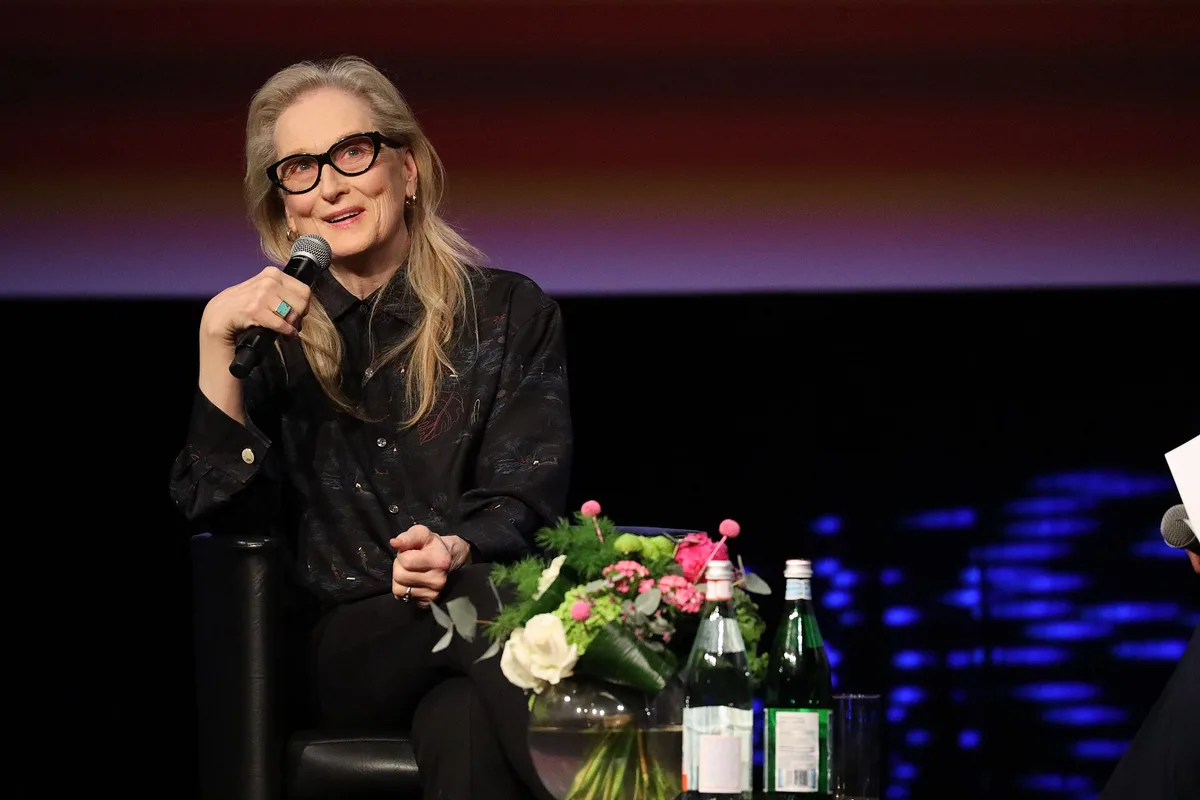
Good profile interviews are built, not stumbled into. Here is how question design, rapport, and close listening actually work.
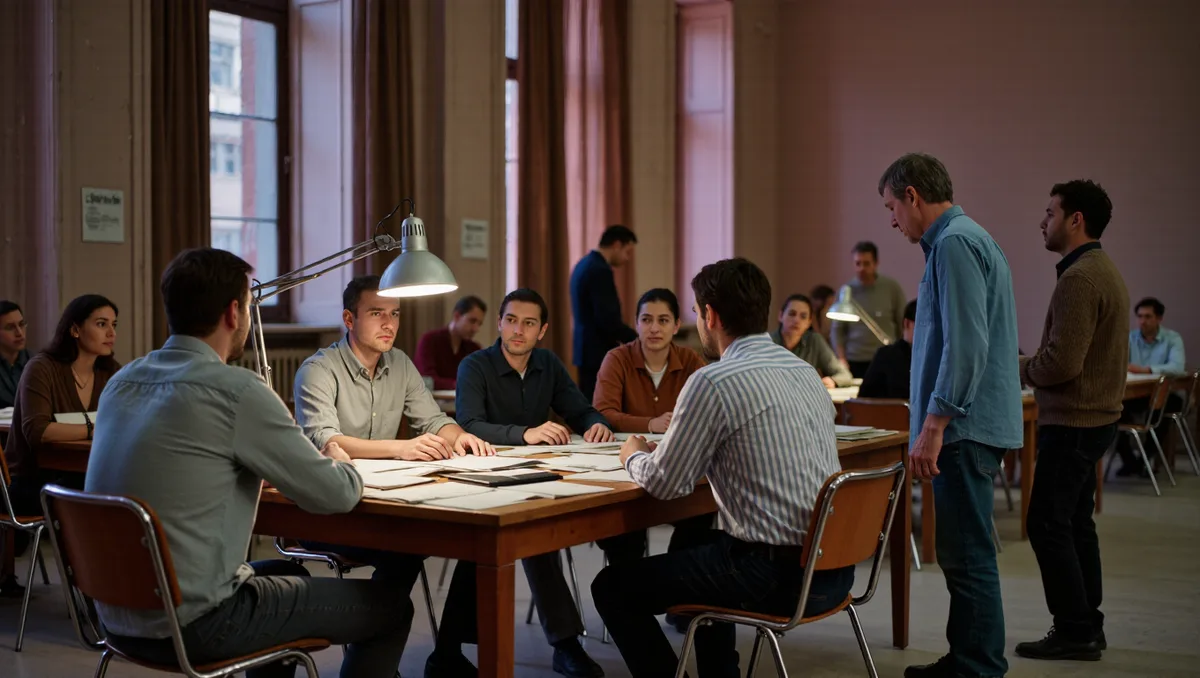
The audience sees the star. The production runs on the people the star never has to thank by name.
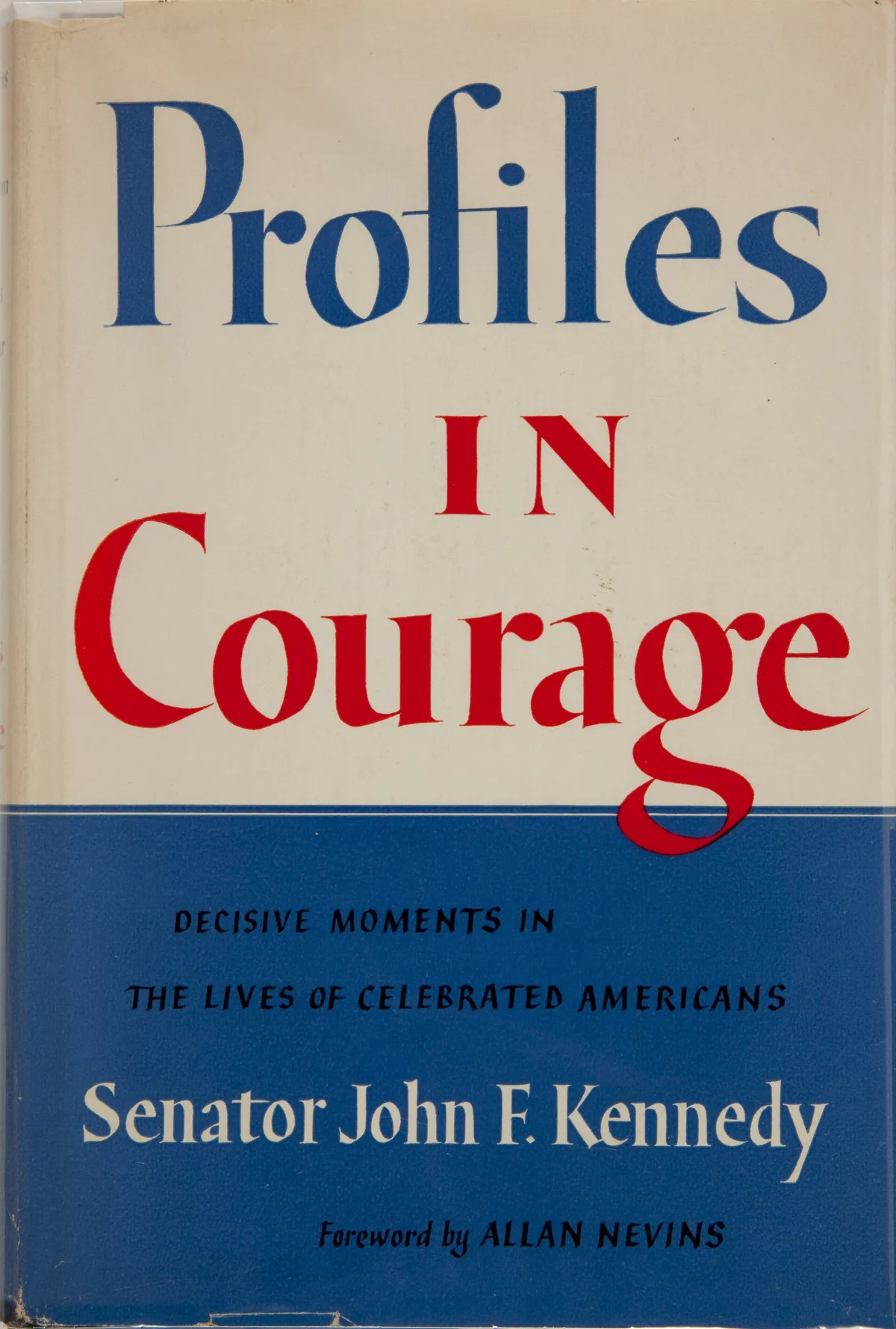
How a slim volume about eight senators became a Pulitzer winner, a ghostwriting controversy, and the template for political storytelling that still shapes how we talk about the work.

A two-minute speech with no scene partner is the hardest job on a call sheet. Here is how actors build one.