
Topic
Why We Can't Look Away: The Psychology of Entertainment News
Parasocial bonds and gossip's old job as social currency explain a lot about the celebrity beat.
Parasocial bonds and gossip's old job as social currency explain a lot about the celebrity beat.

Panel types, refresh rates, and sale-season timing, decoded for people who just want the picture to look good.
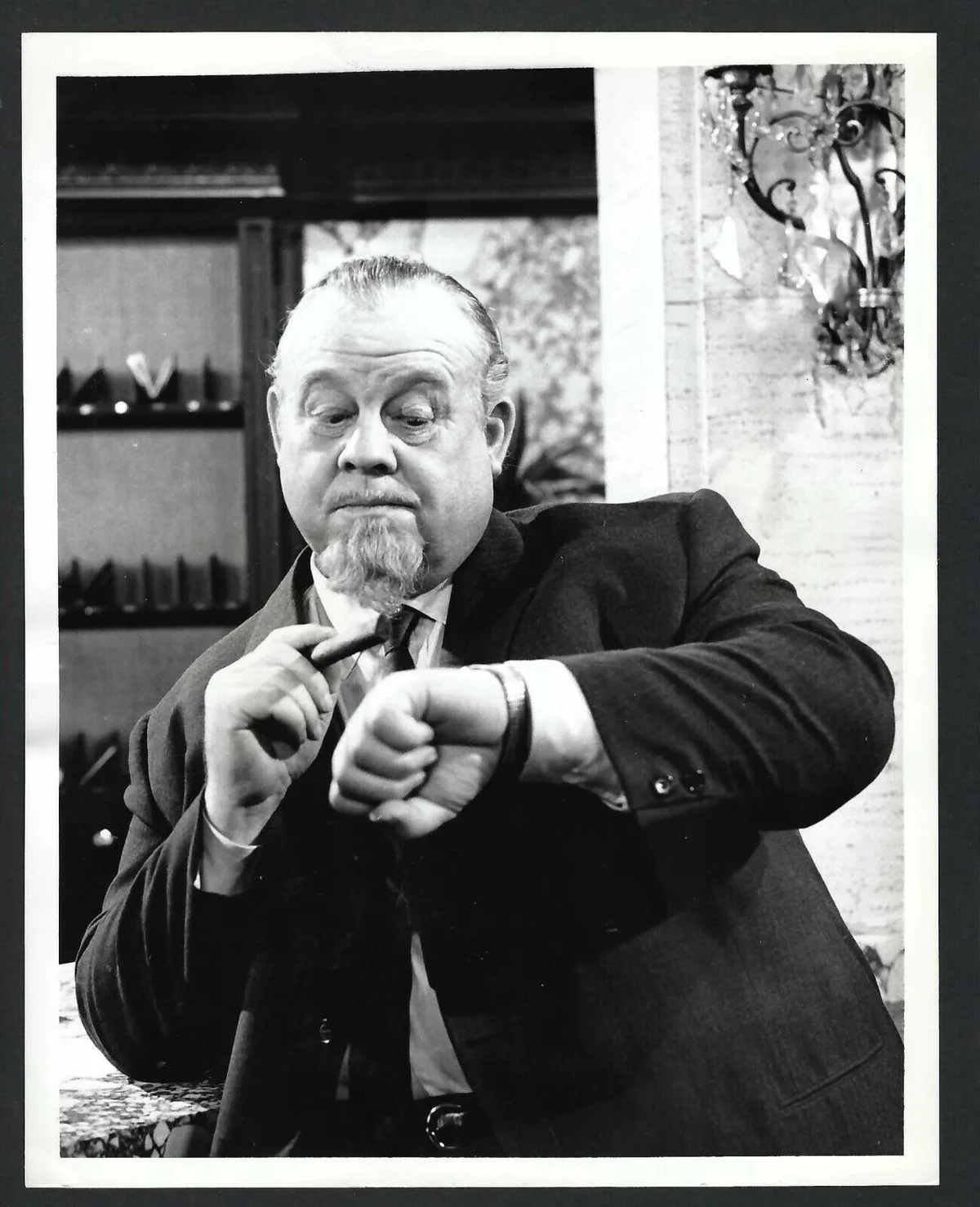
Most pilots never reach the screen. Inside the pilot test, why networks greenlight shows that never air, and what happens to the rejects.

Season finales love to end on a cliffhanger. Here is where the trick came from, why it hooks viewers so reliably, and why it makes networks nervous.
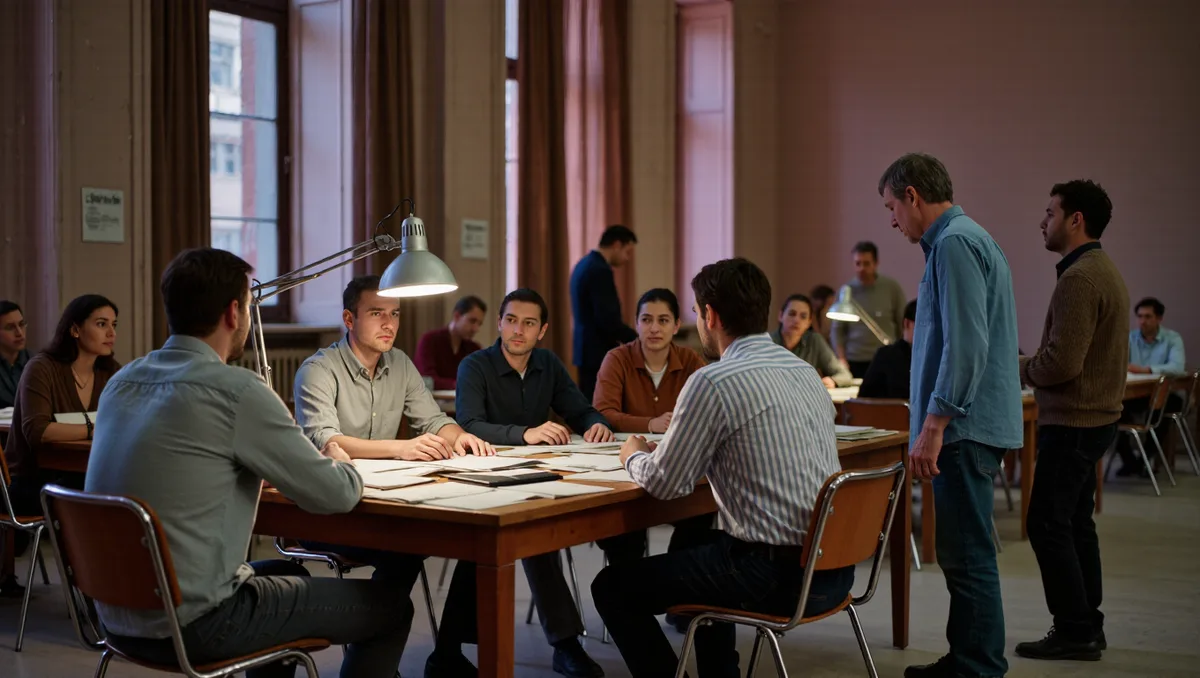
The audience sees the star. The production runs on the people the star never has to thank by name.

Every talk-show chat and magazine profile is negotiated months out, by people whose job is to make the exchange look spontaneous.
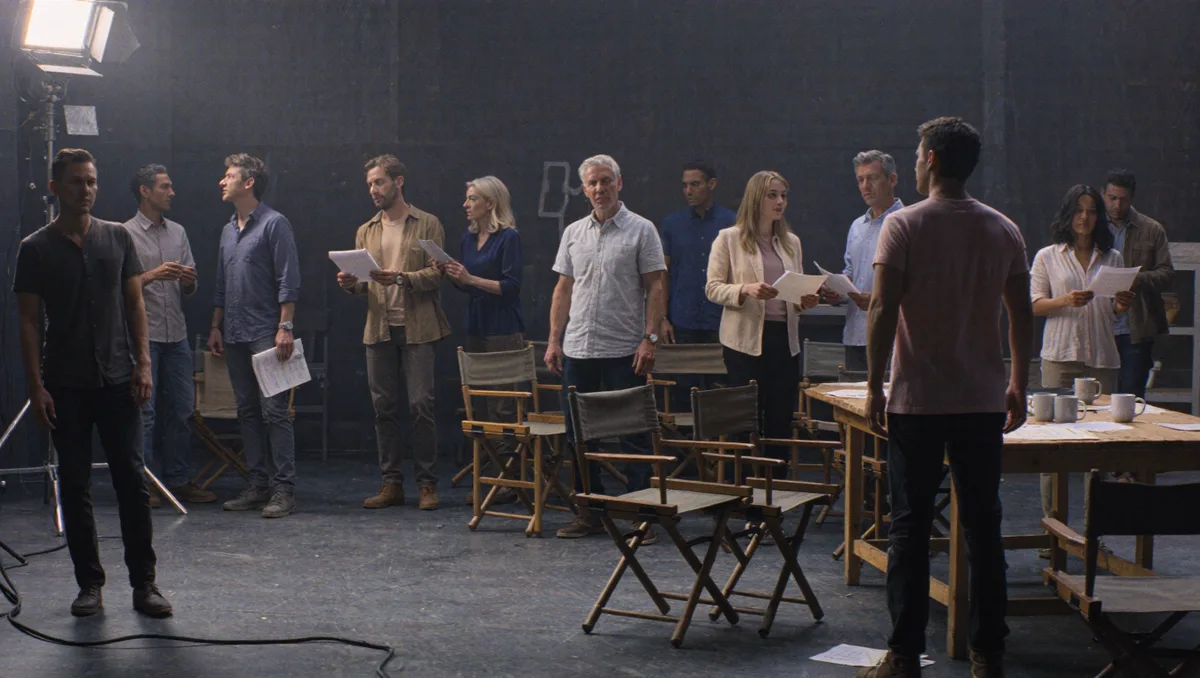
Pizza is the rare food that works on camera, in an endorsement, and in a fan's memory — and the business logic behind that explains a lot about how fame is sold.
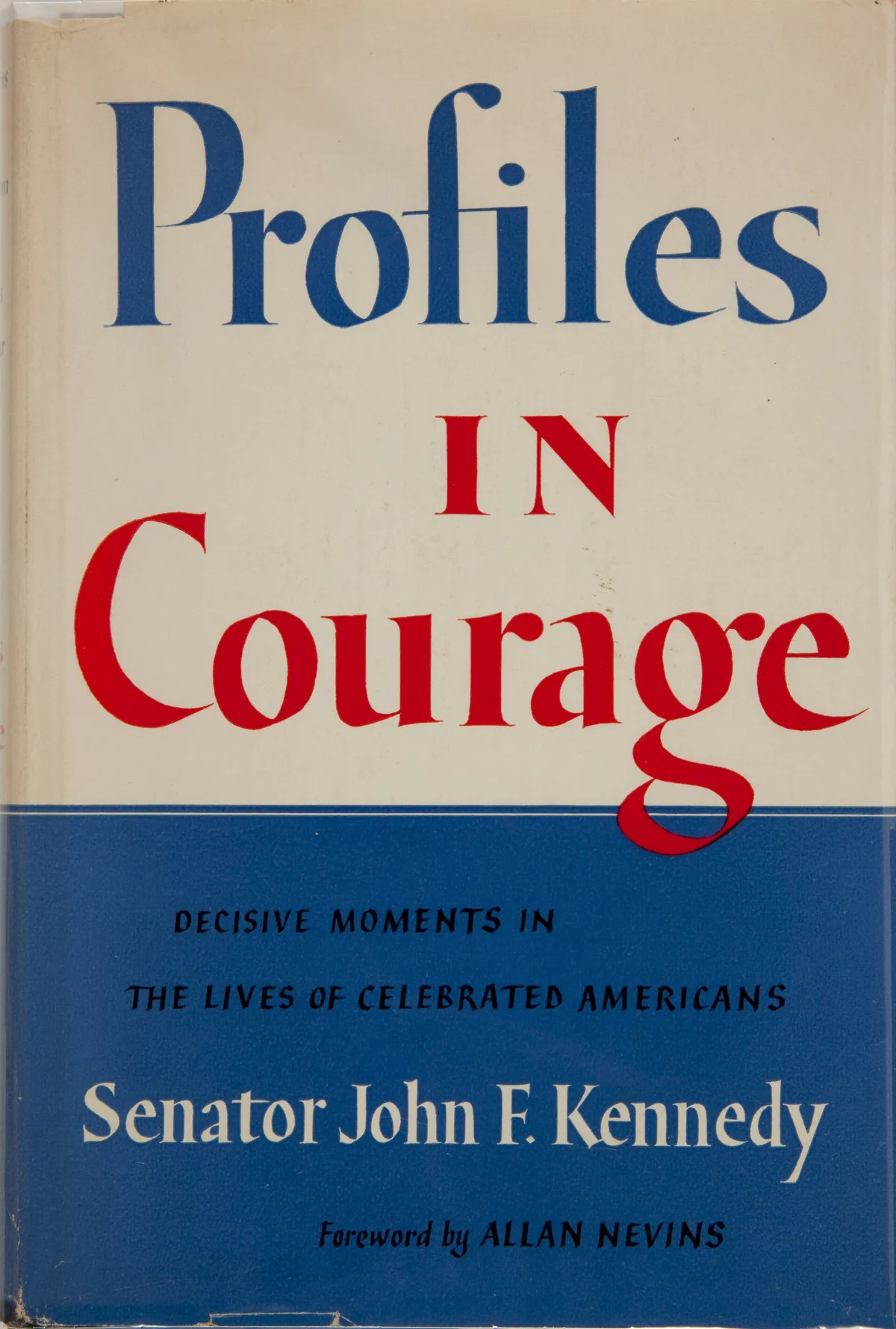
How a slim volume about eight senators became a Pulitzer winner, a ghostwriting controversy, and the template for political storytelling that still shapes how we talk about the work.