Search the phrase "profiles in ignorance" and the internet will assume you mean something else entirely. According to Microsoft's Edge feature page, a profile these days is a tidy container for your tabs, favorites and logins, kept separate from work and personal browsing. The word has been annexed by software. This essay wants it back, because the older meaning — a portrait of a public figure — keeps colliding with a stubborn, recurring scene: a famous person, mid-interview or mid-speech, confidently misstating history.
The blunder itself is rarely the story. A wrong date, a garbled quote, a war fought by the wrong country — these are small failures, and everyone produces small failures. What makes the celebrity version compelling is the setting. It happens on a stage, into a microphone, usually with a live audience and a prompter's confidence, and it gets recorded. The famous person's ignorance is not worse than anyone else's. It is simply better documented.
That documentation is the actual subject here. The clip circulates, the correction arrives, the apology or the doubling-down follows, and then the whole cycle says something useful about fame, expertise and the difference between the two. This piece is our reading of that cycle — an argument, built on the pattern rather than any single incident, because the pattern is where the meaning lives. We covered a connected angle in Regina King: The Actor Who Built a Second Career Behind the Camera.
Why do these moments happen on camera so reliably?
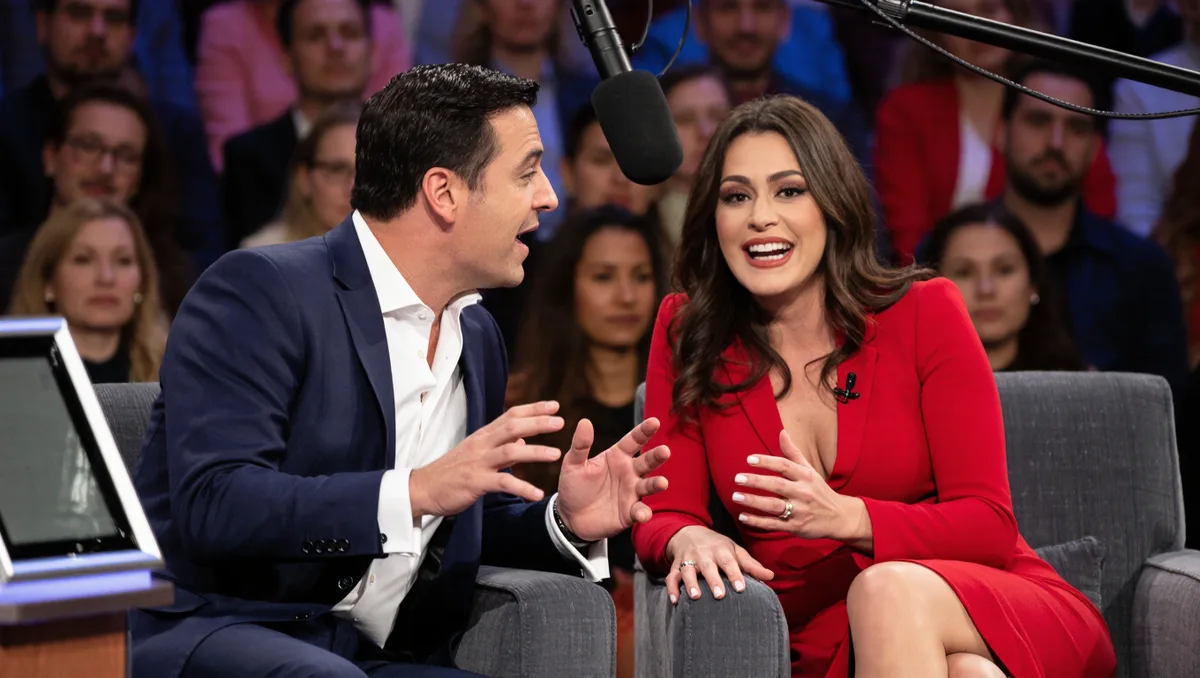
Because the formats that make celebrities visible are the same formats that strip away their safety nets. A promotional interview, an awards speech, a panel appearance — each one asks a person to speak fluently, off the cuff, about things adjacent to their actual job. An actor is expert in performance, not in the century their film depicts. A musician can read a room in ten seconds and still misattribute a quotation that took a historian years to trace.
The interview format compounds the risk. As our own guide to how profile interviews work explains, the whole craft depends on getting a subject talking freely — which is precisely the condition in which unvetted claims slip out. A good interviewer builds momentum; momentum does not check citations. The result is a genre of television where the most truthful thing a subject says and the least truthful thing a subject says arrive in the same breath, wearing the same confident tone.
There is also an incentive problem, and it is structural. Public figures are rewarded for sounding certain. Hedges, caveats and "I'd have to check" read as weakness in a promotional appearance, even though they are the marks of a careful mind. The format trains people to fill silence with assertion. Eventually the assertion lands on a subject they know only glancingly, and the clip is born.
What the blunder cycle actually reveals
The first thing it reveals is asymmetry. A famous person's error reaches millions; a historian's correction reaches a fraction of that, usually days later, in a calmer register. The mistake is vivid, quotable and attached to a face. The correction is an essay. In the attention economy, vivid beats accurate almost every time, which is why the same misstatements recur years after they were first debunked.
The second thing it reveals is our own confusion about expertise. Fame is a kind of authority in the public mind — not earned authority, but borrowed authority, the sense that someone visible must also be knowledgeable. When a celebrity misstates history, the dissonance is the point. The audience is not shocked that a person erred; it is shocked that the halo did not prevent the error. The blunder punctures a belief nobody quite admits to holding.
And the third thing, the uncomfortable one: the cycle flatters the audience. Correcting a famous person is a low-cost way to feel knowledgeable. The pile-on that follows a public gaffe is rarely about history at all. It is about status — a temporary redistribution, where the crowd holds the facts and the star does not. Notice how quickly the correction becomes a joke, and how rarely anyone asks what the subject actually knew or meant.
Is the mockery fair?
Sometimes, and the distinction is worth drawing. There is a difference between a slip and a stance. A misremembered date is a slip; everyone has those. A confidently repeated myth, defended after correction, stops being an error and becomes a choice — and at that point the criticism is aimed not at memory but at the refusal to update, which is a fair target for anyone, famous or not.
What is less fair is the assumption that visibility should equal knowledge. The expectation itself is the fiction. A performer's job is neither to be a historian nor to impersonate one, and treating every promotional appearance as an exam in general knowledge guarantees a steady supply of failures to gawk at. The genre persists partly because we keep setting the trap and then acting surprised when it springs.
There is also a craft argument for restraint, and it belongs to the interviewers. The best profile subjects are read generously — the point of sitting with someone is to understand how they think, not to catch them out. A profile that exists mainly to document a gaffe is not a profile; it is a highlight reel with a byline.
What this means for how we watch
The useful habit is separating the claim from the person. When a public figure misstates history, the interesting question is not "how could they?" but "why does this particular myth keep circulating, and who benefits from it?" Errors are data. Repeated errors are patterns, and patterns usually have an audience that wants to believe them — which is a story about the audience, not the speaker.
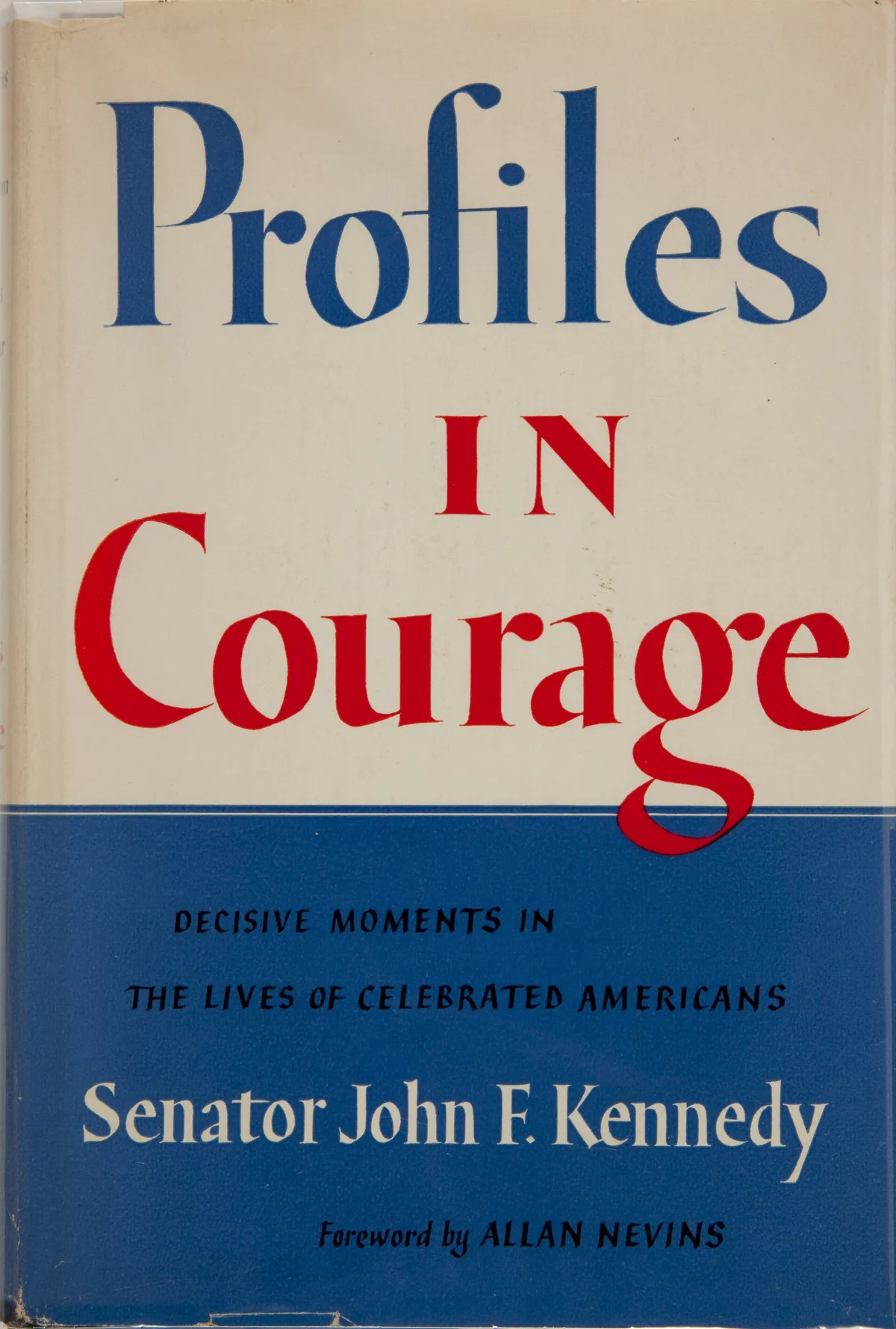
It is worth remembering how much of our idea of public virtue comes from portraiture in the first place. The phrase this essay plays with descends from a book tradition of political profile-writing — the kind our earlier piece on the book that redefined political heroism traces — in which careful selection of details built figures larger than their records. Ignorance on camera is simply the unmanaged version of the same process: the portrait, drawn live, without the author's hand to flatter it. For related coverage, see Profiles in Courage: The Book That Redefined Political Heroism.
Our analysis, stated plainly: the celebrity history blunder teaches less about the famous and more about the machinery around them. The formats reward confidence over care. The audience rewards correction over curiosity. And the clip outlives both. The fix is not better celebrities. It is a better-settled understanding that being watched and being right have never been the same skill — and that a correction, delivered without glee, does more for the historical record than a hundred viral dunk clips ever will.
Where profiles go from here
The word will keep drifting. It already names browser containers and social-media pages alongside magazine portraits, and the software companies are winning — one of the sources for this piece, a Microsoft support guide to user accounts in Windows, spends fifteen hundred words on profiles without once mentioning a person worth knowing. That is funny, and it is also a small lesson: a profile is only as good as what gets put in it. The famous blunder, the careful interview and the browser setting all promise the same thing — a bounded, legible version of a person. Only one of them has an editor.