Topic
Profiles in Ignorance: What Happens When Famous People Get History Wrong
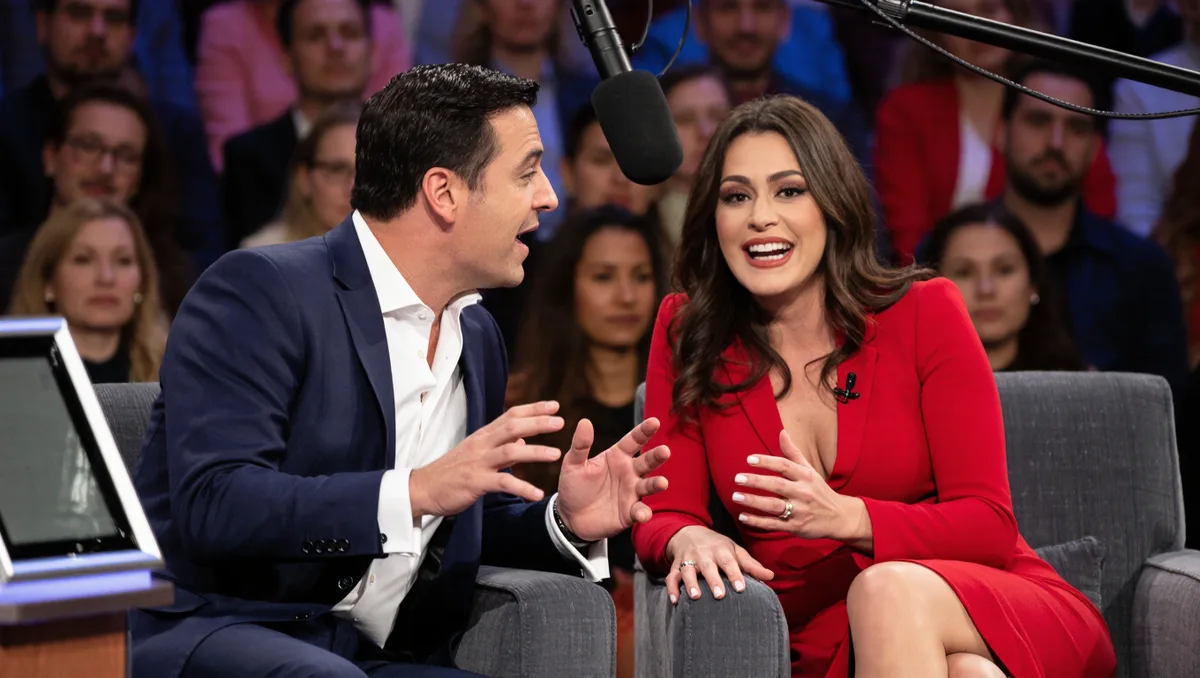
The public factual blunder is its own television genre — and the interesting question is not why celebrities stumble, but why we keep the clips.
The public factual blunder is its own television genre — and the interesting question is not why celebrities stumble, but why we keep the clips.

Parasocial bonds and gossip's old job as social currency explain a lot about the celebrity beat.

Good profile interviews are built, not stumbled into. Here is how question design, rapport, and close listening actually work.

The audience sees the star. The production runs on the people the star never has to thank by name.

Every talk-show chat and magazine profile is negotiated months out, by people whose job is to make the exchange look spontaneous.
Pizza is the rare food that works on camera, in an endorsement, and in a fan's memory — and the business logic behind that explains a lot about how fame is sold.
Birthday lists look like filler. They are actually one of fandom's oldest and most useful tools.

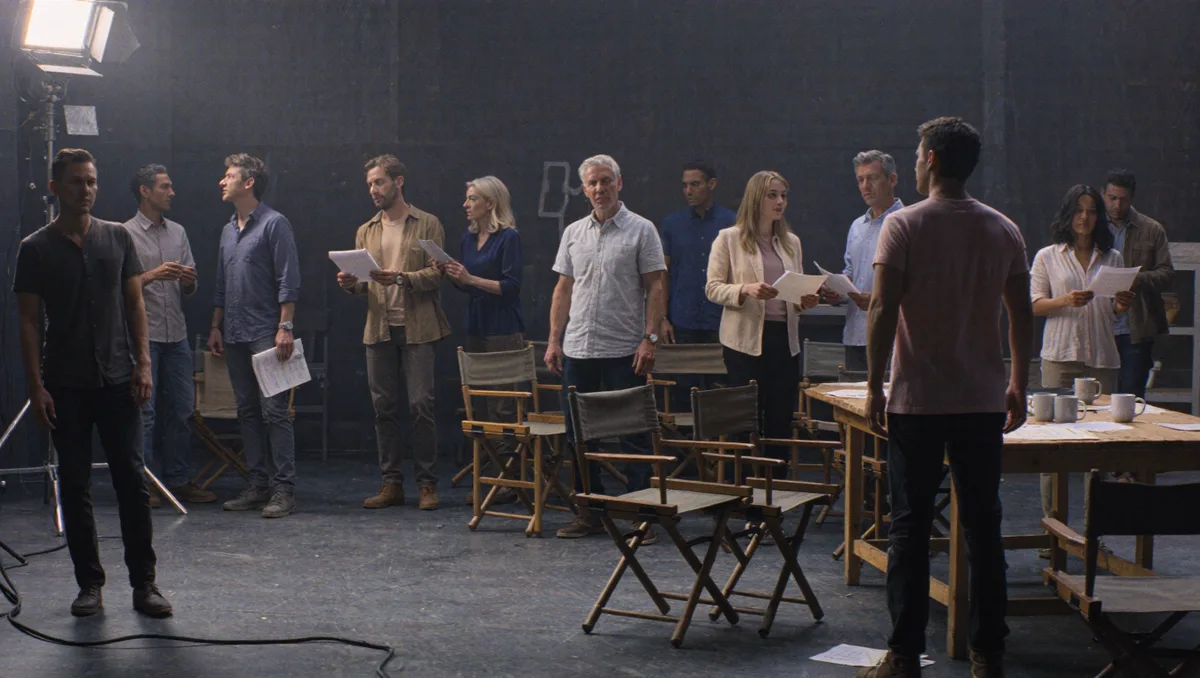
From the first pitch document to the final color pass, the pipeline that turns a script into a series is longer and stranger than the credits suggest.

The trade-off behind the credits: steady pay versus the freedom to keep auditioning, and why the math changed when television did.

A coalition of studios and unions wants Congress to pass a national tax credit for film and television production. Here is what the numbers say, and where they come from.