
Topic
The Pilot Episode: Why Networks Still Bet Millions on a Single Hour
One script, one shoot, one screening — and a decision that can shape a network's schedule for years.
One script, one shoot, one screening — and a decision that can shape a network's schedule for years.

Script approval, casting sign-off, final cut: the contract language that decides who a show really belongs to.

Obituaries written years in advance, verification under deadline, and the ethics of covering a star's passing.

Panel types, refresh rates, and sale-season timing, decoded for people who just want the picture to look good.

Good profile interviews are built, not stumbled into. Here is how question design, rapport, and close listening actually work.

Season finales love to end on a cliffhanger. Here is where the trick came from, why it hooks viewers so reliably, and why it makes networks nervous.
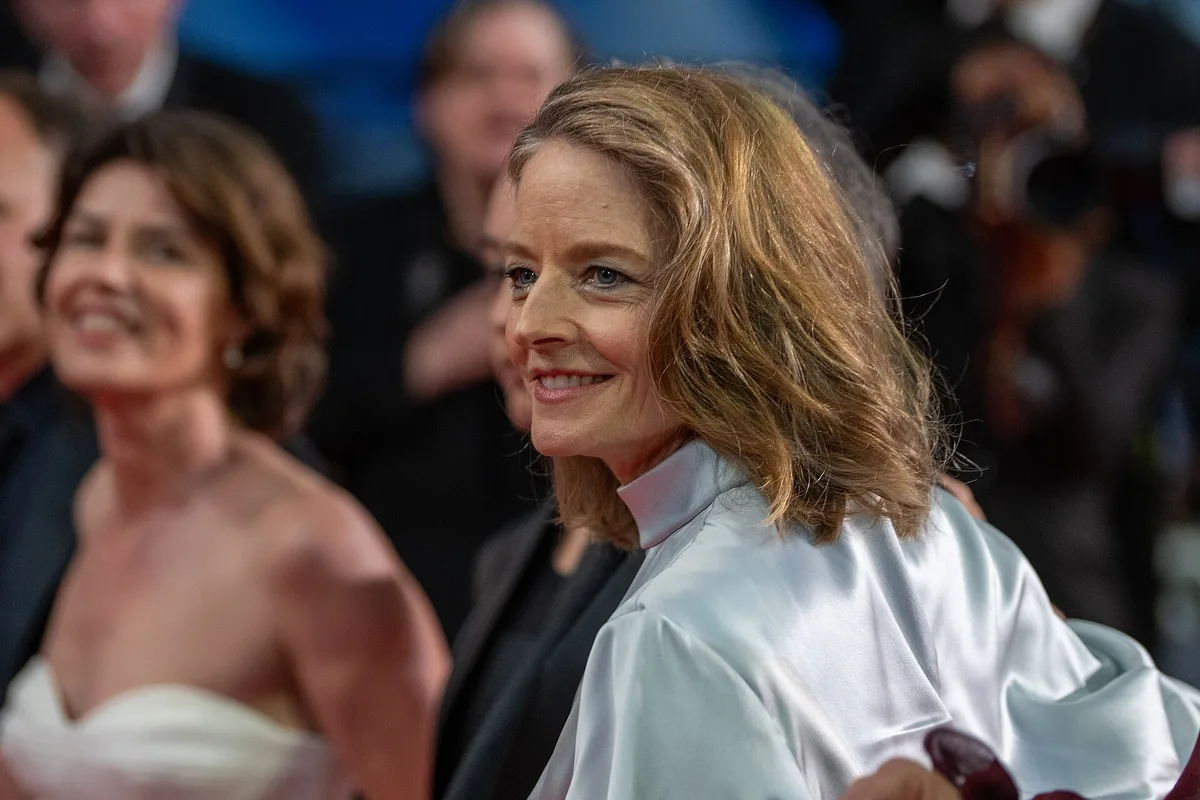
Every talk-show chat and magazine profile is negotiated months out, by people whose job is to make the exchange look spontaneous.
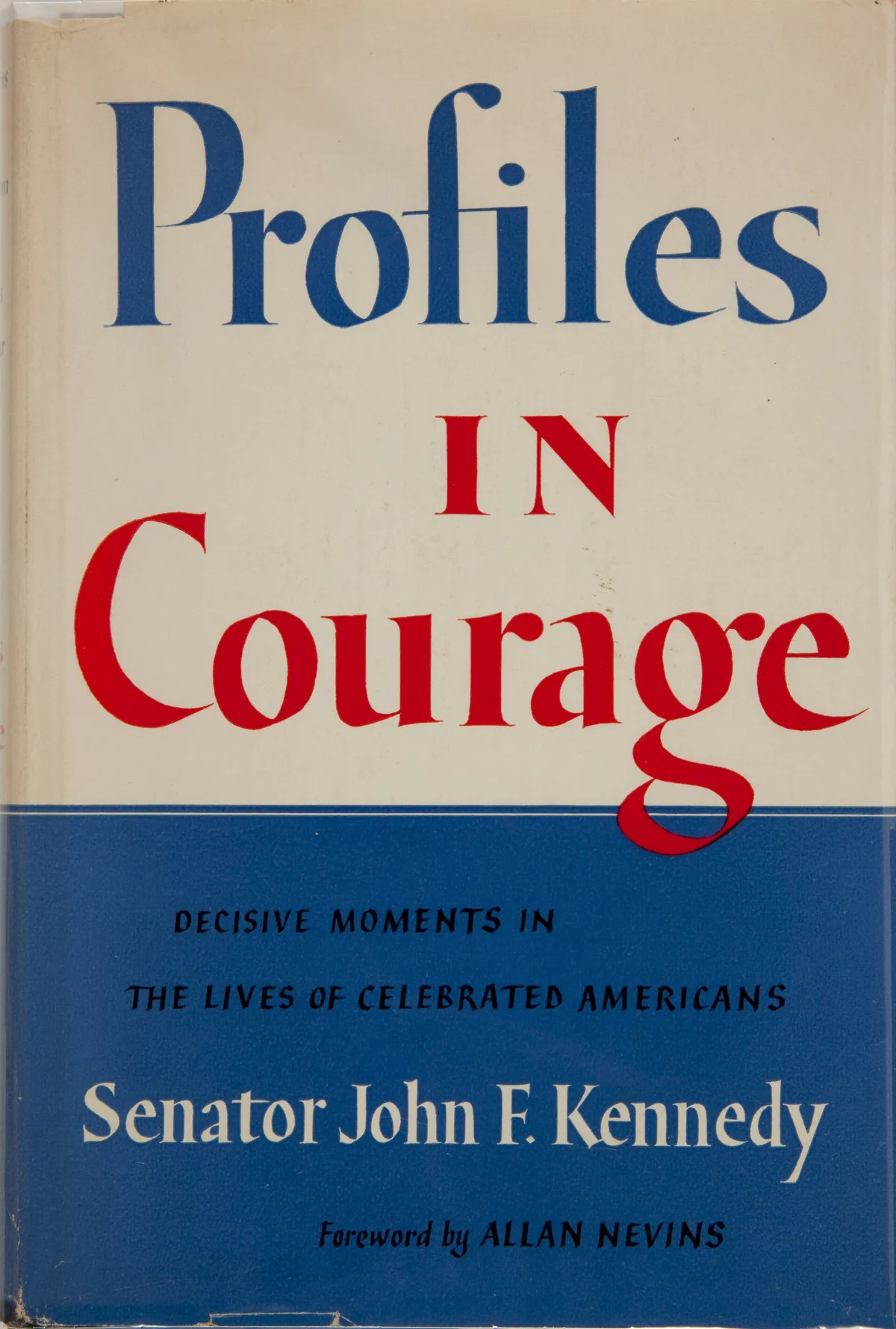
How a slim volume about eight senators became a Pulitzer winner, a ghostwriting controversy, and the template for political storytelling that still shapes how we talk about the work.

From the first pitch document to the final color pass, the pipeline that turns a script into a series is longer and stranger than the credits suggest.