Why Every Franchise Keeps Rebooting Instead of Continuing
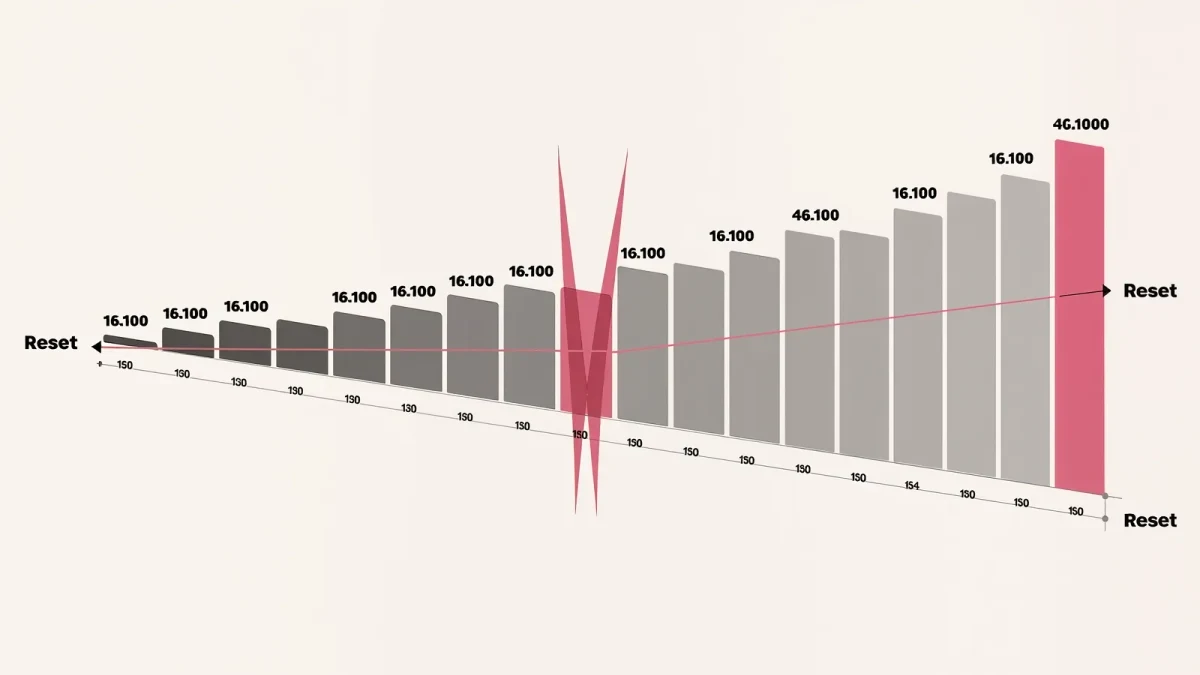
The reboot is not creative bankruptcy; it is depreciation accounting, a way of resetting a brand's narrative debts without paying them off.
Dated television news covering pickups, renewals, cancellations, casting, premiere dates and showrunner changes, each attributed and corrected in place.
The reboot is not creative bankruptcy; it is depreciation accounting, a way of resetting a brand's narrative debts without paying them off.

A theatrical hit is counted in dollars and a streaming hit in hours, and the industry that runs on both has spent a decade pretending the two numbers speak the same language.

The Academy Awards are a movie ceremony that lives or dies as a television show, and every redesign of the broadcast is a symptom of that double life.
The made-for-TV movie was invented to fill a schedule and occasionally became the thing the nation talked about the next morning; its history is the history of television's self-esteem.
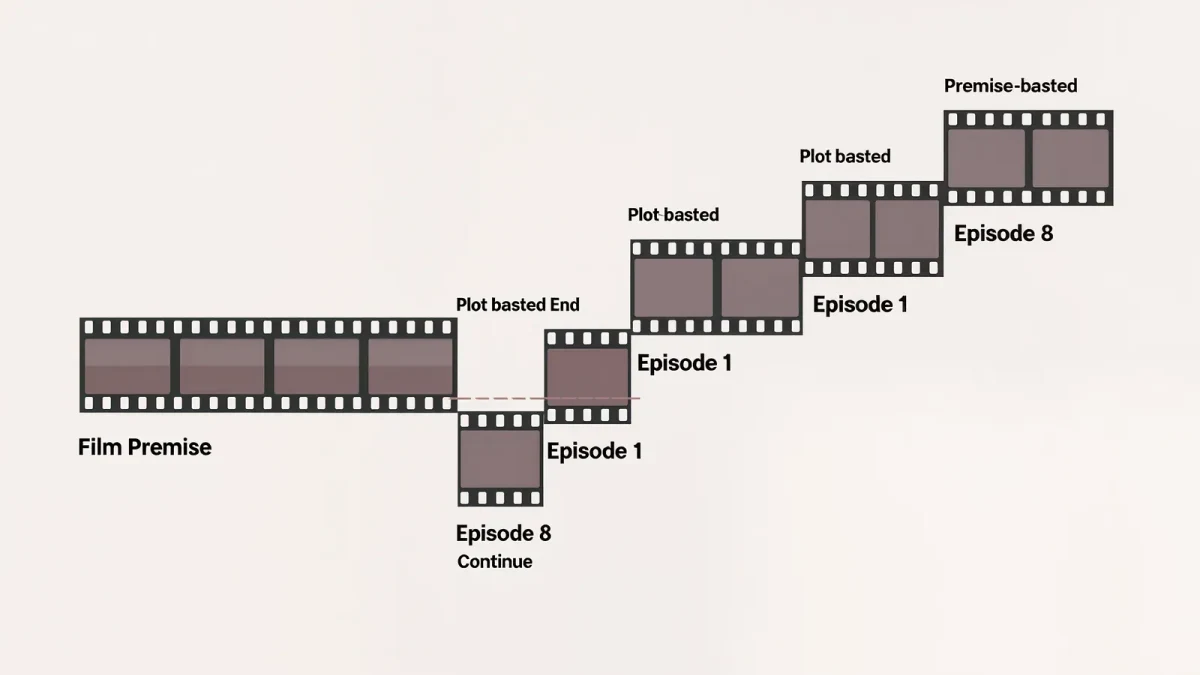
Most movie-to-television transfers treat a two-hour premise like a seven-season asset; the ones that work do the opposite, and the pattern is legible enough to diagram.

The theatrical exclusive spent decades as the industry's load-bearing wall; streaming removed it in roughly eighteen months, and television is what moved in.