Subtitled films entered the mainstream because streaming removed every point of friction that had kept them marginal: the art-house theater's geography, the dub's expense, the scheduling math of foreign-language slots, and the social signal that reading a film was a cultivated taste rather than a default one. A streaming catalog puts a Korean thriller, a Spanish heist series, and a French drama one thumbnail away from the domestic blockbuster, with subtitles a toggle rather than a venue. The breakthrough has produced a genuinely global catalog, and — this being television — it has also produced a new set of habits worth auditing, from default-dubbing to subtitles that quietly rewrite the dialogue.
This is a distribution-and-formats story built on the public record; En Rose publishes analysis, not viewing advice, though the analysis will admit it watches everything with subtitles on.
What kept foreign-language film marginal for so long?
Distribution arithmetic. A subtitled film needed a subtitled print shipped to a subtitled theater in a city that had one, marketed to an audience the distributor assumed was small, and every link in that chain guaranteed the assumption came true. Television's version was worse: a foreign-language acquisition occupied a slot that a domestic rerun could fill with less perceived risk, so international film lived on late-night public broadcasting and specialist channels, prestigious and invisible. Dubbing existed as the mass-market workaround, but film dubbing in English-speaking markets carried its own stigma — the mismatched mouths, the flattened performances — and neither option scaled. The result was a self-fulfilling prophecy: audiences were said not to read subtitles, so subtitled content was not acquired, so audiences never had the chance to find out.
What actually broke the barrier?
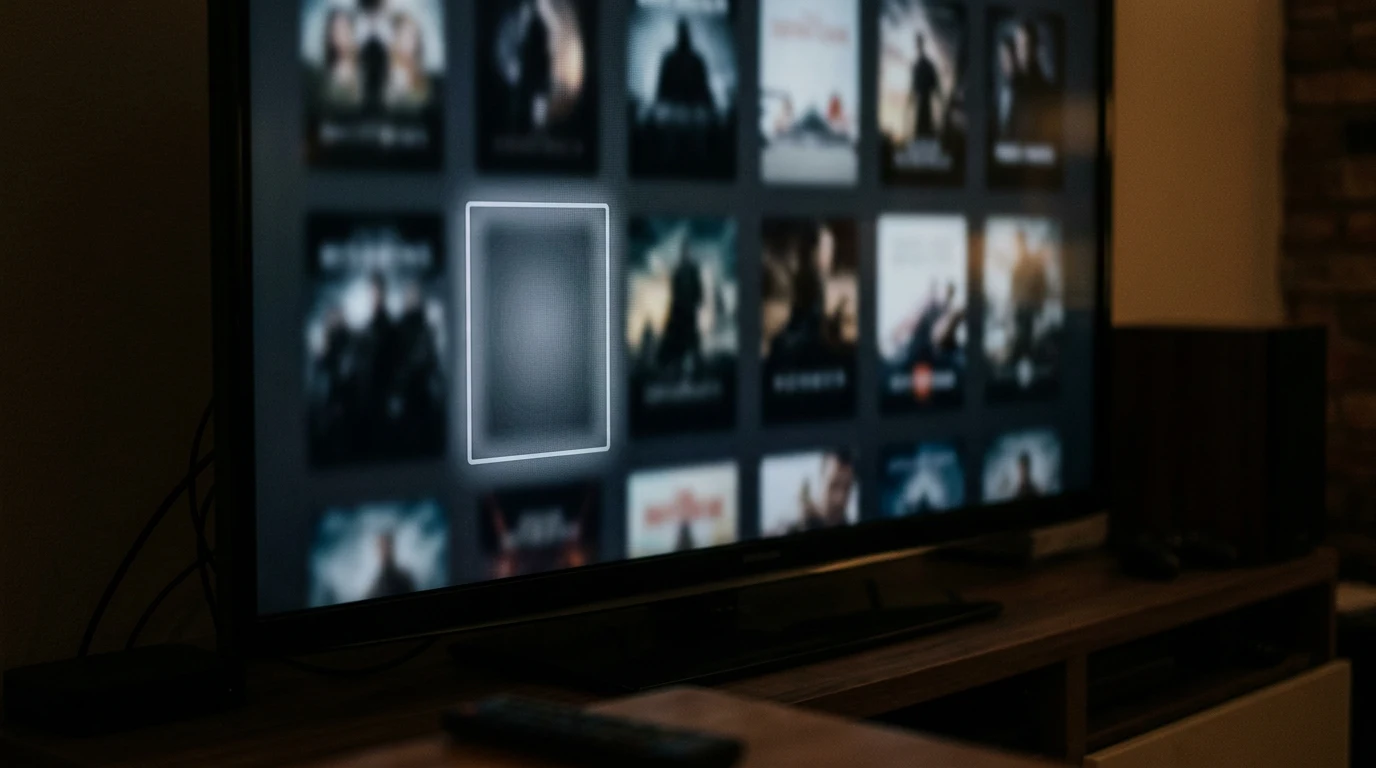
Three things, stacked. First, global commissioning: platforms building services in dozens of countries simultaneously discovered that a hit in one market is free content in two hundred others, which inverted the old risk logic — international originals became inventory, not gambles. Second, the algorithmic equalizer: recommendation systems match by taste rather than language, so a viewer queue built on heist thrillers gets served the Spanish heist thriller without anyone deciding foreign film is too niche for them; the interface, indifferent to snobbery in both directions, turned out to be the greatest anti-gatekeeper in film history. Third, the landmark events: a Korean film winning best picture and best director at the 2020 Oscars, after a decade of international streaming titles building global fandoms, made the mainstream arrival official in the oldest mass medium of all — an awards broadcast. Industry coverage of that shift, including global-entertainment reporting at Reuters media and telecom news, tracked non-English titles moving from acquisition afterthoughts to marquee originals across the decade.
What did streaming change about the subtitles themselves?
Made them ubiquitous and, in the process, revealed that nobody fully agreed on what they were for. The same interface that normalized reading a Korean drama also normalized subtitles on English-language content for viewers who like them, and a large audience now watches everything with captions on. Meanwhile the default-dub debate — platforms auto-playing a dub to reduce abandonment, purists toggling back to original audio — recreated the old geography wars inside the settings menu. Translation quality became visible criticism: viewers who now watch in two languages notice when a subtitle flattens a joke or a dub rewrites a performance, and the craft of subtitling, previously an invisible art practiced in obscurity, gets publicly graded daily. These are good problems, in the sense that they are the problems of abundance. The one-gatekeeper, one-city art house is not coming back, and no one should want it to.
What did the mainstreaming do to the countries making the films?
It rewired their industries upward. A Korean, Spanish, or Nigerian title that travels globally earns its creators international deals, its home industry investment, and its local platform a commissioning budget that no domestic market alone could justify — the reason so many countries' production sectors expanded through the streaming decade. The complications are the familiar ones of any export economy: platforms commissioning for global taste can flatten local specificity, dubbing and subtitle choices can drift a long way from the original dialogue, and rights deals that treat a national cinema as library filler can starve the domestic theatrical business that produced it. Creators have pushed back, publicly and repeatedly, on translation quality and on marketing that erases a work's origin, and the better platforms have adjusted because the audience noticed first. But the direction of travel is not in dispute: the monoculture of English-language export, where one industry subtitled for everyone else and subtitled for no one, is over. What replaced it is messier, occasionally condescending, and still enormously better than the geography of the art house. The world's film industries now compete on the same shelf, and the shelf, for all its flaws, is longer than any single country's cinema ever was.
Is the mainstreaming permanent?
The structural parts are. Global originals, taste-based recommendation, and subtitle-by-default viewing habits do not reverse, because they are cheaper and more accurate than the old assumptions ever were. The fragile part is the theatrical window for international film, which remains narrower than the streaming audience it serves — the couch broke the barrier, and the multiplex has only partially followed. But the direction is settled: language stopped being a genre. What was once shelved under 'World Cinema,' a category name that always sounded like it was apologizing, is now just the catalog, and the audience never needed to be convinced. It only needed to be offered the choice.