The 90-day theatrical window is functionally dead, killed not by one decision but by a pandemic-accelerated experiment that studios discovered they liked. For most of modern film history, a movie played exclusively in theaters for roughly three months before home video, pay television, and eventually streaming got their turn. Today most major releases are available in the home within 45 days, many within a month, and the business logic that made the window sacred has quietly reorganized itself around the television set.
That reorganization is the story worth telling here, because the collapse of the window is really a story about television absorbing the movie industry's release calendar. What En Rose publishes is analysis of the business, not investment or distribution advice — but the analysis is blunt: the window died so that streaming libraries could live.
Why did the window exist in the first place?
The 90-day norm was never law; it was etiquette, enforced by theater chains that refused to book studios that broke it. The sequence ran theater, then home video, then pay cable, then broadcast television, each step priced and timed to extract the maximum from a distinct audience. The window protected the theatrical experience the way appointment programming once protected the network schedule — by making the audience come to the format rather than the format coming to the audience. And for decades the etiquette held because everyone's incentives pointed the same direction: theaters needed exclusivity, studios needed theater revenue to marketing-spend their openings, and the home formats needed a runway. It was a supply chain wearing a tuxedo.
What broke it was not philosophy but inventory. Streamers, spending unprecedented sums on original content through the late 2010s, needed libraries more than they needed marquee openings, and a movie sitting in a 90-day window is a movie not churning a catalog. The industry's trade coverage of that spending race — documented across years of reporting at Reuters media and telecom news — reads in retrospect like a countdown.
What did the pandemic actually change?
When theaters closed in 2020, the etiquette had no enforcement mechanism, and the experiments came fast. One studio sent an animated sequel straight to premium video-on-demand and watched it earn hundreds of millions of dollars in rentals in weeks — a figure the studio's chief executive publicly cited as proof the digital shelf could replace the box office for certain titles. Another studio announced that its entire 2021 slate would debut in theaters and on its streaming service the same day, a decision that ran through 2021, irritated its biggest star, and was abandoned the following year — but not before it reset everyone's sense of the possible. The 45-day compromise that emerged in 2022 was the industry's version of a ceasefire line: theaters kept a shorter exclusive, streamers got movies faster, and nobody pretended the old deal was coming back.
Who won the shorter window?
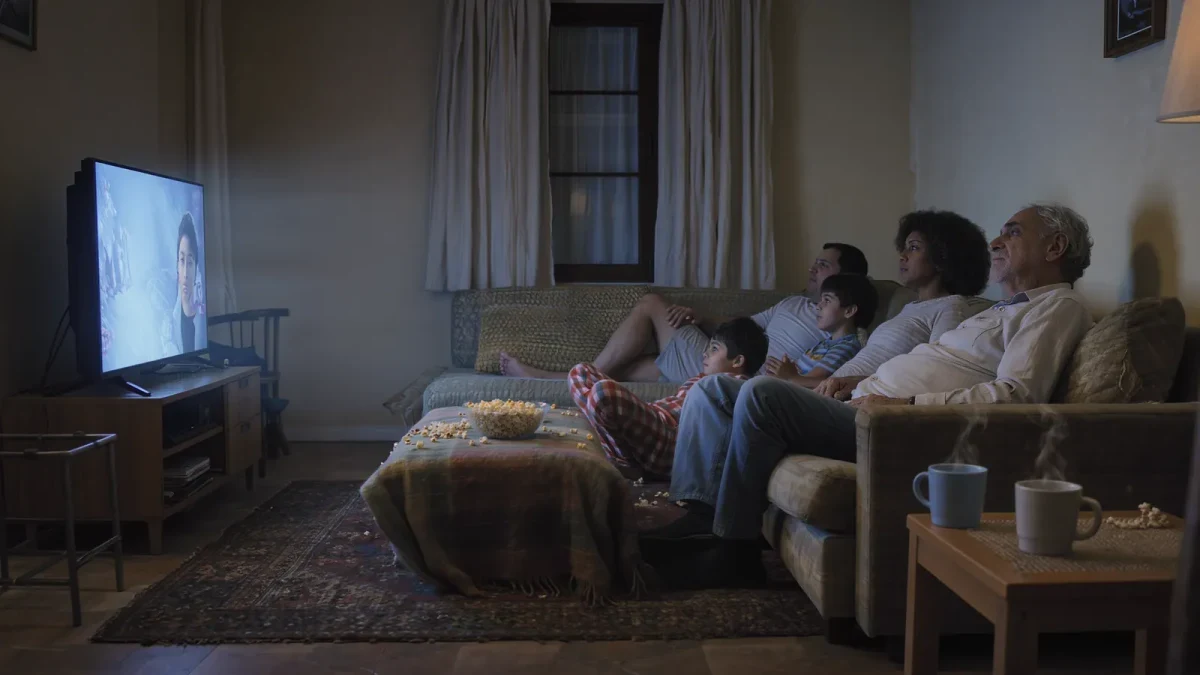
Television did, in the broad sense that includes every streaming app on every screen in the house. The shorter window means a film's marketing campaign now bleeds directly into its home availability, so the second wave of viewership happens while the billboards are still up. It means streaming services can advertise theatrical releases as coming attractions for themselves, converting a studio's movie spend into a platform's subscriber pitch. And it means the movie business now measures success in two languages — opening weekends and hours viewed — a translation problem that has quietly rewritten how deals are structured. Actors and directors, whose contracts were built on theatrical bonuses, spent the transition renegotiating for streaming-based compensation, and the guild strikes of 2023 put that grievance on the official record.
The losers are easier to name by category than by company: theatrical exhibition, which lost its long tail of second- and third-month grosses, and the adult drama, which discovered that audiences would simply wait the six weeks for the couch. The mid-budget movie for grown-ups became, functionally, a television premiere with a perfunctory theatrical gesture in front of it.
What does a title's value look like across the new timeline?
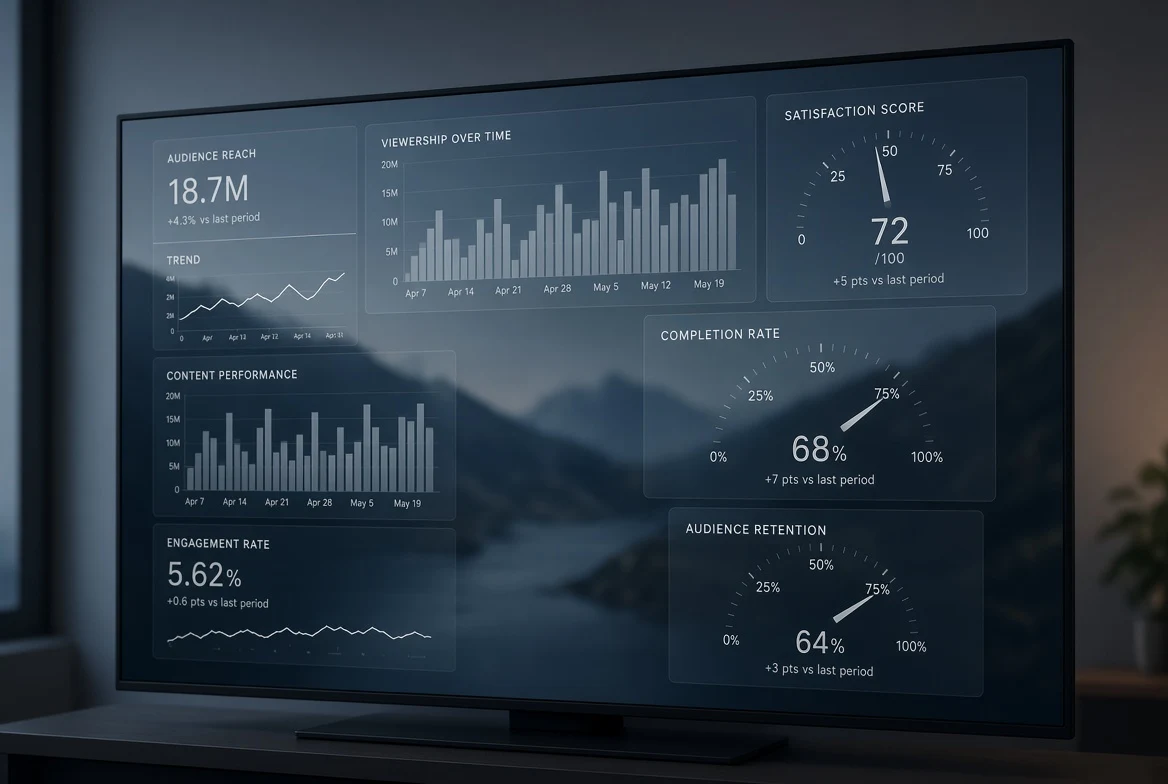
Different. The old window priced a movie almost entirely on its opening weeks, because everything downstream — home video, pay cable, broadcast — was priced off the theatrical gross, a cascading formula that made the opening weekend the whole economy compressed into three days. The shortened window flattens that cascade: a film's streaming performance is worth something even when its theatrical run is modest, because the platform's demand for titles is constant while the box office's demand for any individual title is not. The consequence is that the industry now has two kinds of valuable movie. There is the film that opens huge, whose value is still counted in tickets and sequels. And there is the film that opens quietly and then lives on a service's top-ten list for a month, whose value shows up in retention instead of revenue, invisible to the box-office charts and very real on the spreadsheet nobody outside the company sees. Neither kind of value is illegitimate. They are simply measured in currencies that cannot be deposited in the same account, and every argument about 'what a movie is worth now' is secretly an argument about which of those accounts a studio has decided to care about that quarter.
Is the theatrical window coming back?
Not in its old form. The post-pandemic box office proved that event films — the franchises, the spectacles, the Barbenheimer-scale cultural moments — can still command exclusive runs that stretch well past 60 days when the movie becomes an occasion. Everything else has settled into the shorter cadence, and the industry has stopped apologizing for it. What has emerged is a tiered system that looks, to a television writer, suspiciously like a schedule: the tentpoles get the fall and the holidays, the streaming titles get the rest of the calendar, and the release date has become a programming decision. The window didn't collapse so much as it got inverted. The theater is now the preview window for the television, and the industry has decided that is not a failure of cinema but a business model. The audience, voting with remotes, appears to agree.