Voice actors are the television stars audiences know by ear and not by face, and the anonymity is structural: animation removes the performer from the frame entirely, crediting a voice to a character whose likeness belongs to the studio. The profession sits at an odd intersection of extraordinary technique and chronic undervaluation — a single performer may play half the cast of a series, across ranges, accents, and species, while remaining unrecognized at restaurants — and in recent years it has become ground zero for the industry's fight over artificial voices, since a craft built entirely on a replicable signal is the first thing replication comes for. The screen is animated. The labor is not.
What does voice acting actually require?
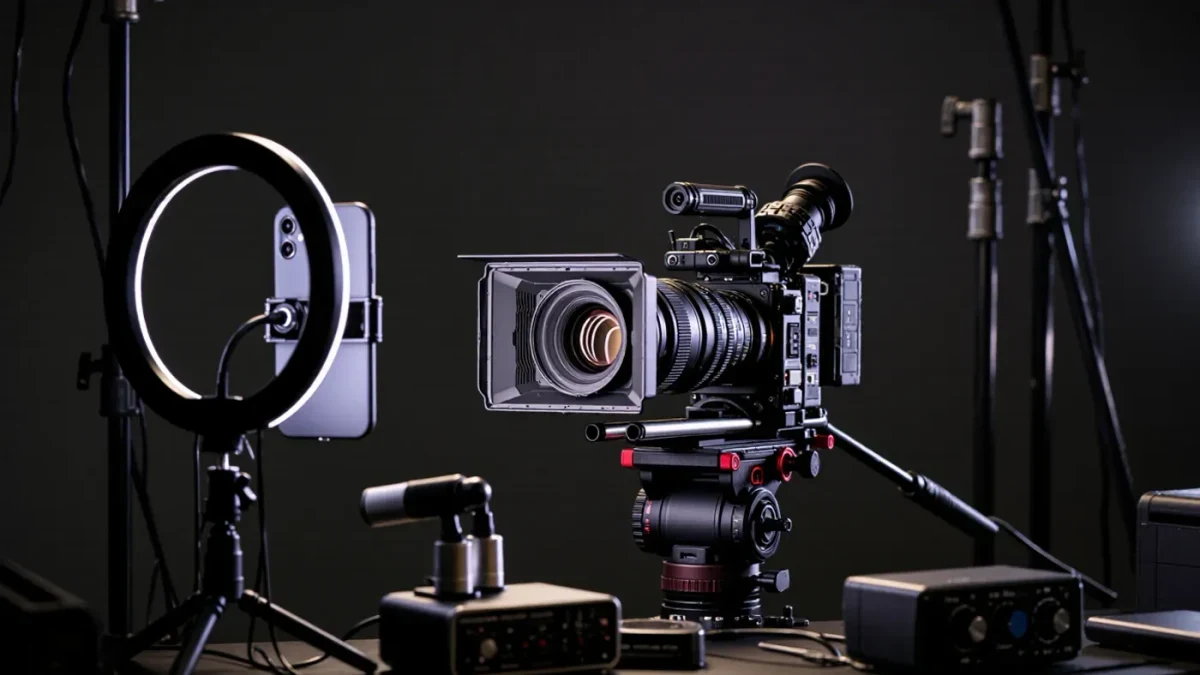
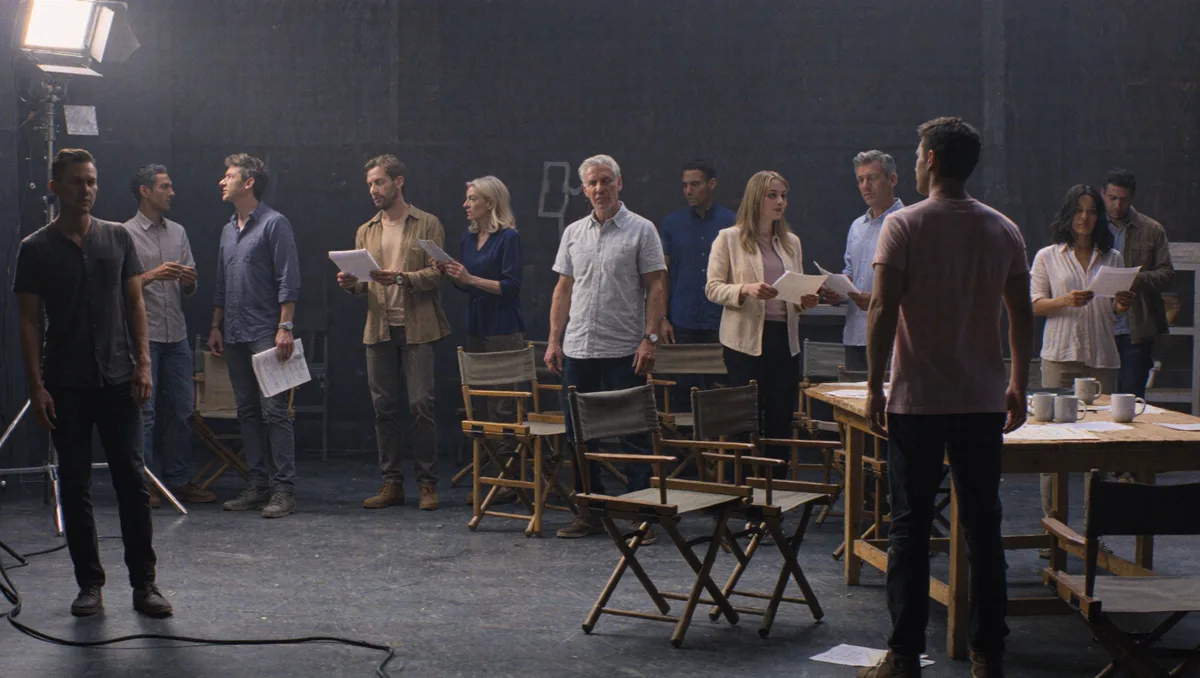
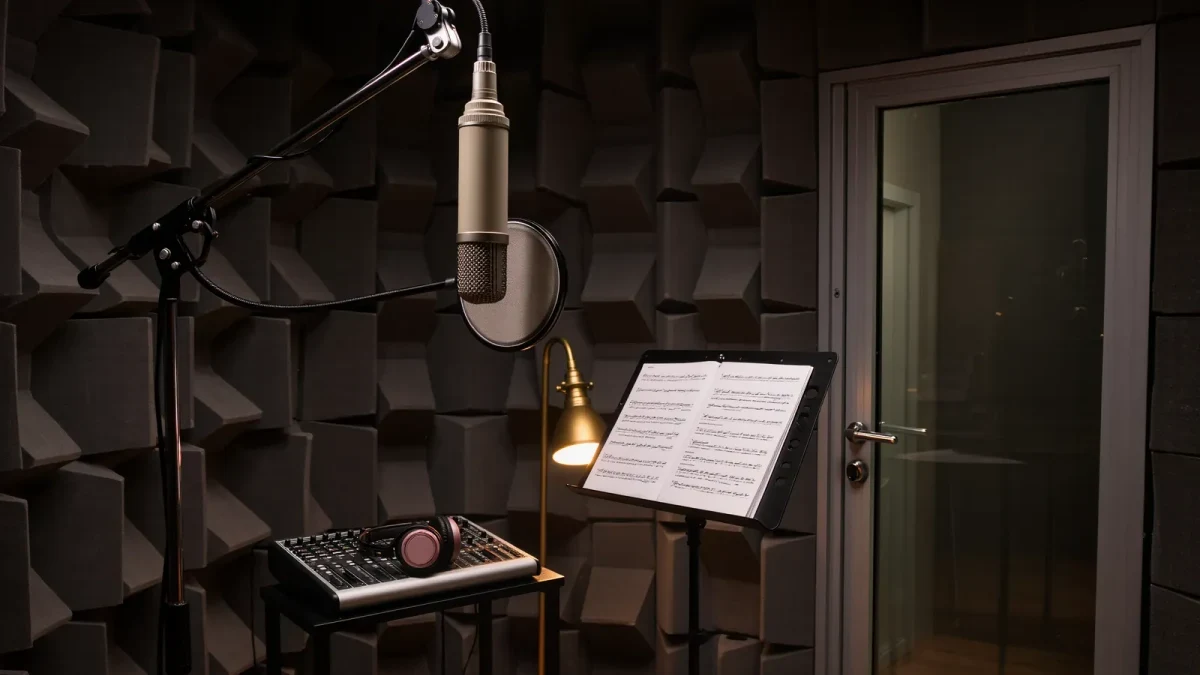
More than the phrase 'just reading lines' survives contact with. A working voice actor performs with the entire body — posture, breath, facial effort all shape sound — while delivering to a microphone, alone or in ensemble, often without the scene partner, set, or costume that screen actors use as scaffolding. The technical stack is real: sustained character voices that must remain identical across years of recording sessions; the stamina of session work, where a performer may voice three characters in one afternoon; and the specialized dialect of dubbing and pre-lay, matching timing, mouth flaps, and director notes in tight increments. The best in the field are range athletes, and the audition economy they work in is famously brutal — a trade whose practitioners, per decades of entertainment-industry reporting at outlets like the BBC, are mostly working actors cobbling together animation, commercials, dubbing, and video games rather than resting on a single hit series.
Why do so few voice actors become household names?
Because the format is engineered for their disappearance. A character in live action is a person; a character in animation is a drawing, owned and merchandised by the rights holder, with the voice as one production input among hundreds. The audience bonds with the drawing. The marketing promotes the drawing. The actor's name appears in a credit sequence that the streaming interface makes optional. There are exceptions — performers whose celebrity arrived elsewhere and who then colonized animation, and a small pantheon of voice specialists whose fans can identify them the way jazz listeners identify a saxophonist by tone — but the default economy is anonymous labor underneath famous characters. Television animation sharpens this: a long-running series means decades of a beloved voice with none of the accumulated face recognition that a decade on a sitcom would have produced. The performer becomes a kind of trade secret.
Why did celebrity casting change the business?
Because marketing discovered that a famous voice is a billboard. From the 1990s onward, animated features in particular began casting movie stars, whose names could anchor a poster and whose interviews could promote a film the way a live-action lead's would — a shift the trades have covered for years as a genuine squeeze on the specialist profession. Television animation followed more gradually, with streaming series increasingly booking recognizable names for lead roles while the working core of the field — the ensemble players who carry episodes, villains, and the entire population of background characters — remains specialist territory. The result is a two-tier market: celebrity at the top, craft everywhere else, and a permanent argument inside the profession about whether star casting grows the audience for animation or simply reallocates its best-paying jobs.
The counterargument the specialists make is empirical and a little stubborn: voice acting is a skill, not a vibe. A film star's famous instrument, built for naturalism and close-ups, does not automatically survive the booth's demands — sustained character voices, animation's heightened timing, the physical stamina of playing four roles before lunch — and productions that treat the microphone as a novelty slot occasionally discover this in the session, at which point a specialist is quietly booked to do the vocal heavy lifting beside the name on the poster. Television, with its production schedules and episode volumes, has always been the format where the specialists' advantage is least deniable: series animation simply cannot function as a celebrity hobby. The booth has a professional class because the calendar requires one, and the celebrity era has trimmed that class without ever managing to replace it.
What is at stake in the AI voice fight?
The profession's entire premise. Voice acting is performance reduced to signal — portable, sampleable, and syntheticizable — which made it the first performing craft to confront industrial-scale replication. The dispute has played out in strikes and union negotiations: performers' unions have demanded and won consent-and-compensation frameworks around digital replicas of members' voices, with the 2023-2024 Hollywood strikes and their video-game successors making voice replication a central issue, as covered extensively by Reuters and Bloomberg at the bargaining table. The stakes are definitional. If a purchased voice can be reused indefinitely, the session fee becomes a buyout of a career's instrument; if consent and payment attach to every replica, the technology becomes another tool in the booth. Animation sits directly downstream of whatever answer holds, because animated television is the format where a synthetic voice is hardest for an audience to detect and easiest for a production to rationalize. The invisible stars became the test case for whether any performer's most personal asset — the sound of them — remains theirs to sell.
Does anyone outside the industry care?
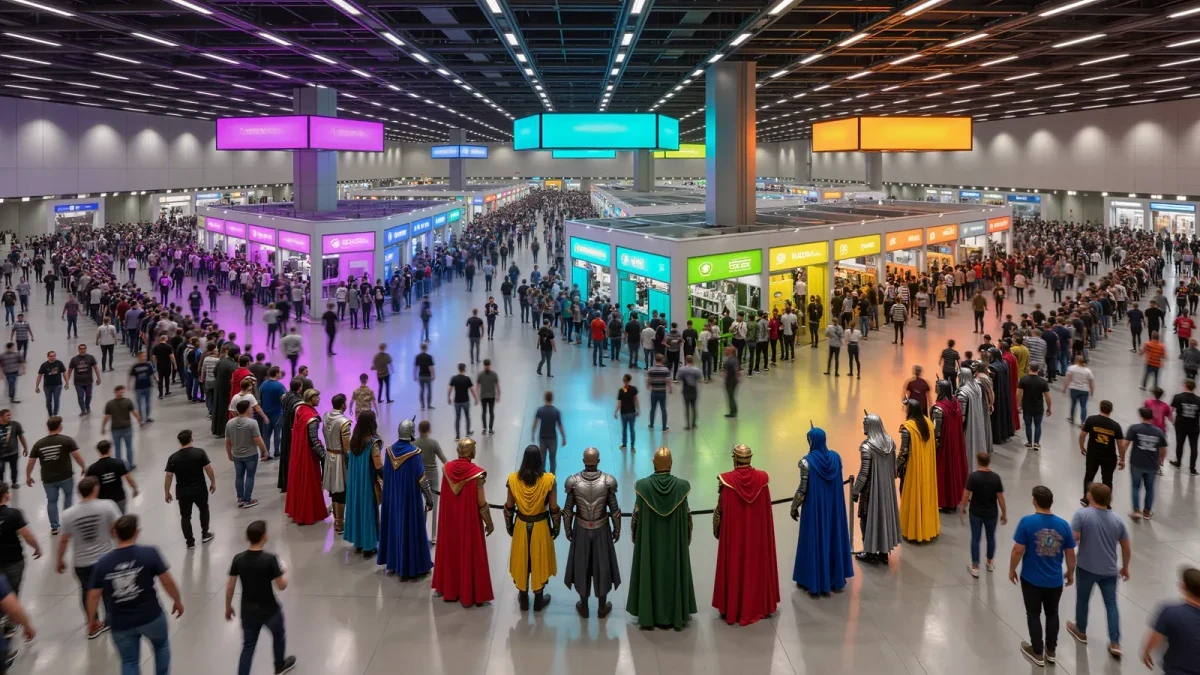
Audiences keep demonstrating that they do, in the way audiences always do: obliquely, through demand. Convention panels for voice actors draw crowds that surprise even their agents; fan communities maintain detailed catalogs of who voiced whom across decades of series; and a signature voice death produces genuine public mourning for a person most mourners had never seen. That affection is the profession's quiet leverage — evidence that the anonymity is a marketing condition, not a verdict on the craft. The voice was always the part of the performance that entered the viewer's home and stayed there. The industry is simply being asked, contract by contract and replica by replica, to finally put the name on the sound.