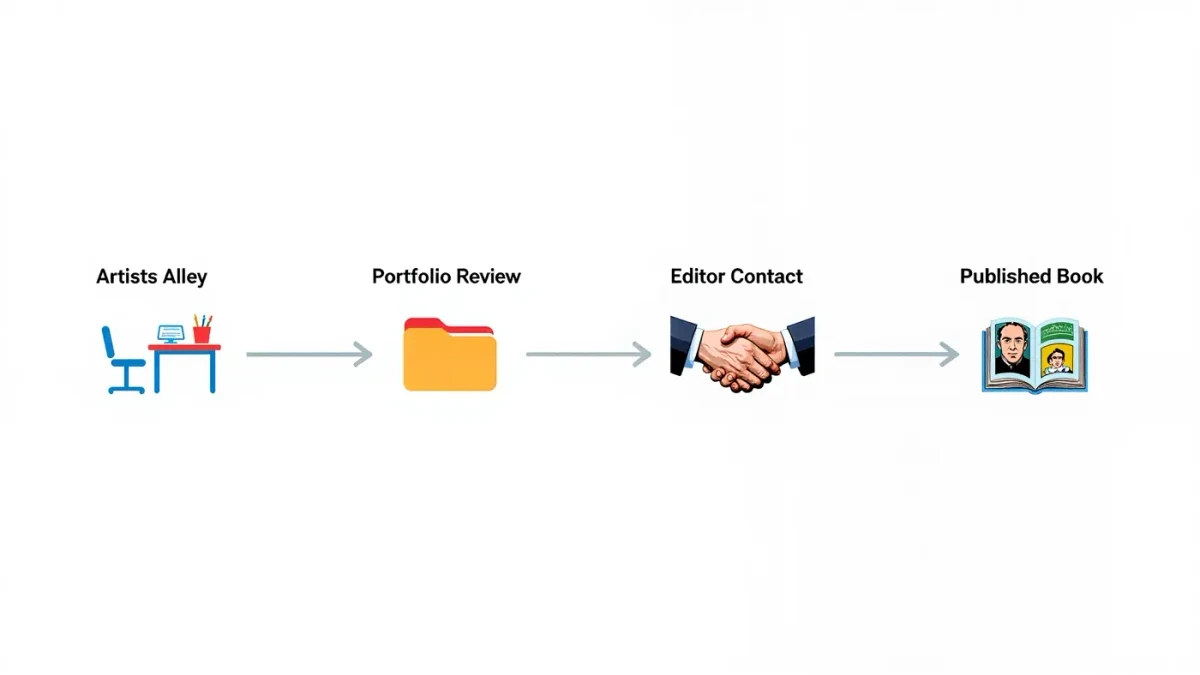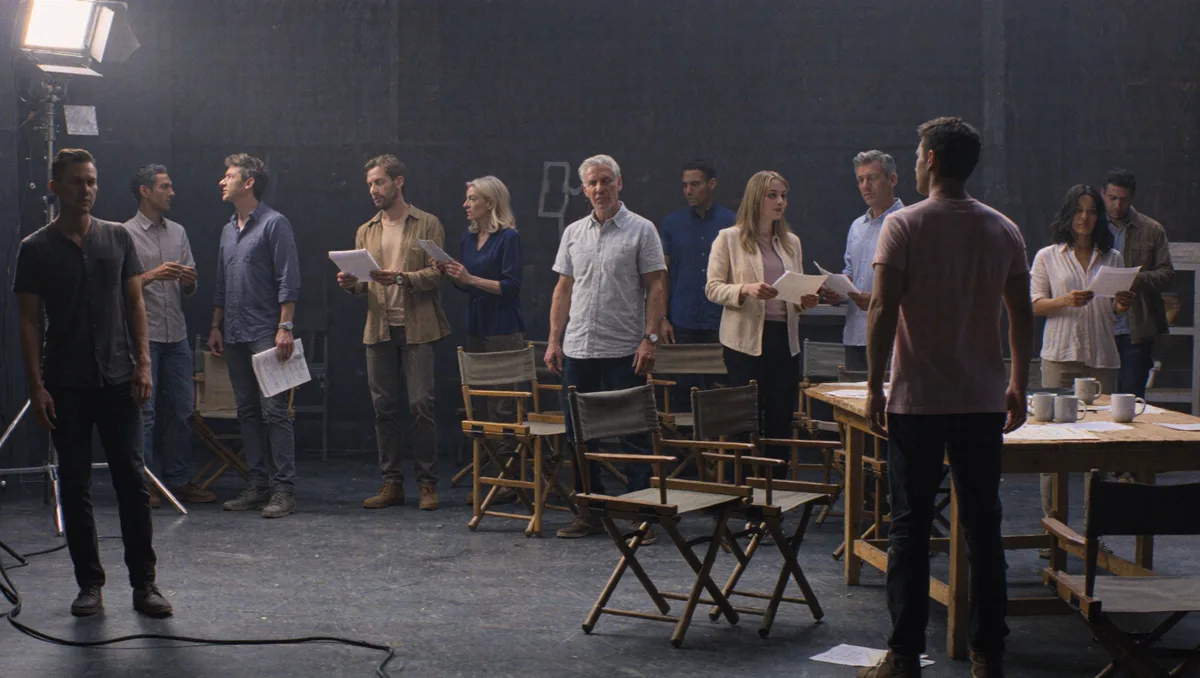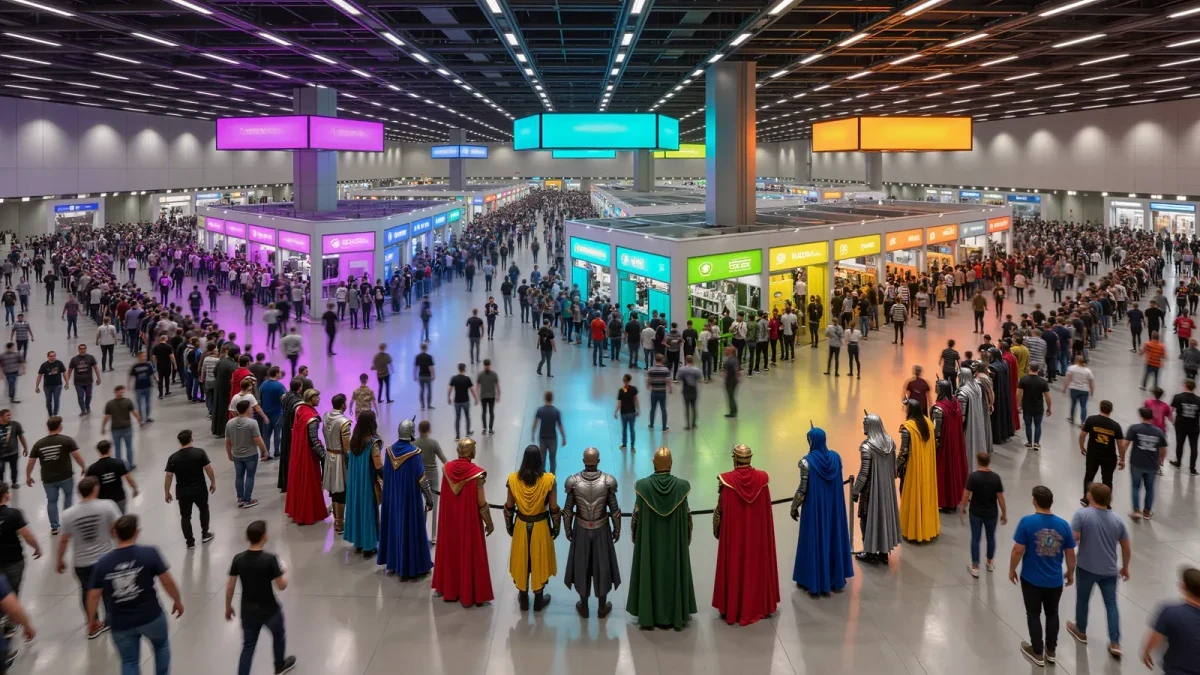
The fan-convention economy is a marketplace where affection is priced by the item: an autograph costs one figure, a posed photograph with a fan costs another, and a table in the vendors' hall costs the actor a fee to the promoter, with the convention taking its cut of a weekend that can gross a working television actor more than a residual quarter. The circuit — comic conventions, fan expos, horror weekends, cult-TV reunions — runs year-round across dozens of cities, and its structure is consistent everywhere: the promoter rents the hall, the fans buy admission, and the guests sell proximity. Nobody publishes complete ledgers, which is itself informative, but the trade's broad numbers have been reported for years by entertainment business press, including Bloomberg, and the shape is clear. It is a labor market, it pays in direct proportion to nostalgia, and it runs on television.
How does a convention appearance actually work?
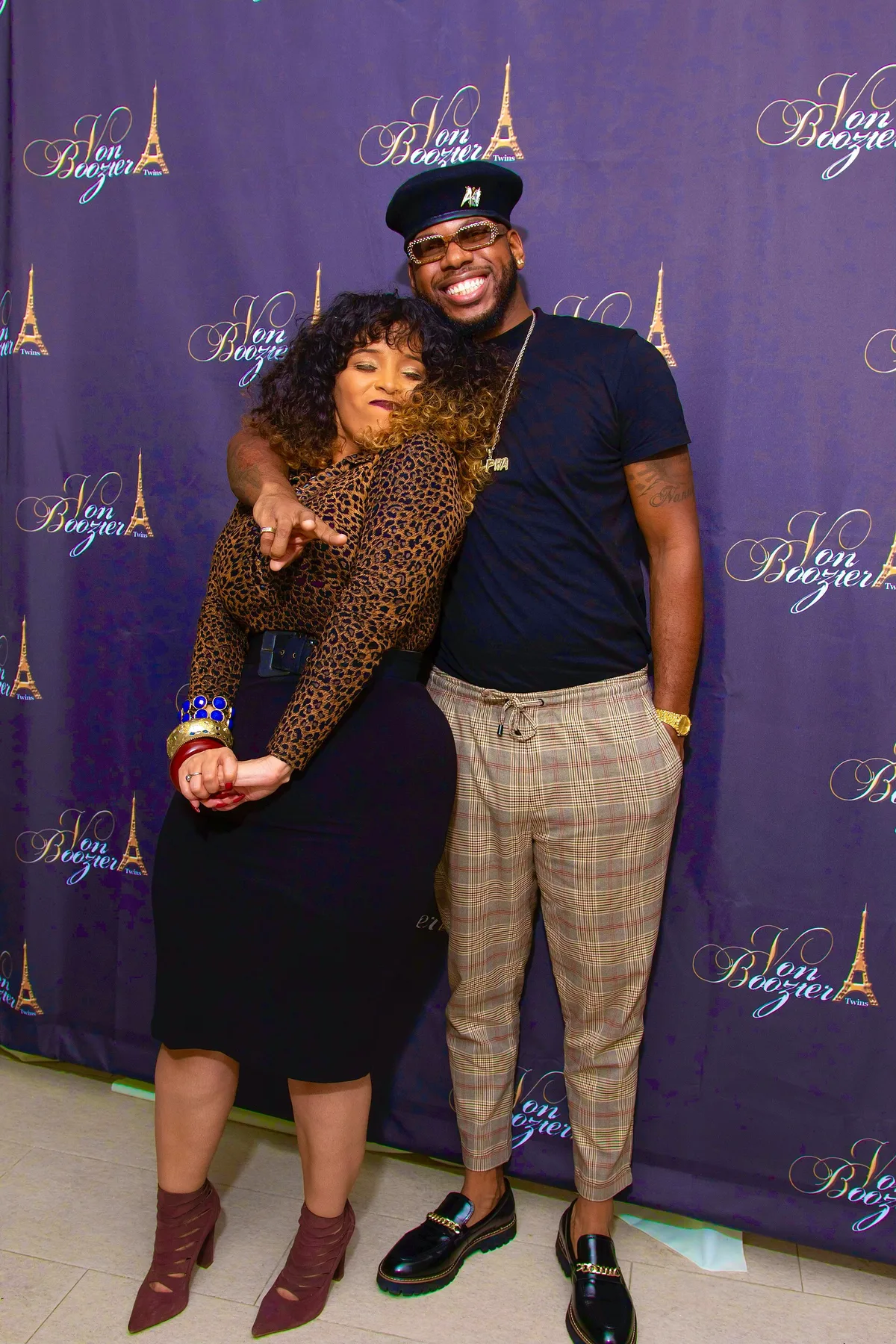
As piecework with a queue. A guest actor is booked — sometimes paid a guarantee, sometimes simply given free table space and the opportunity — and then sells signings and photo ops at prices set with the promoter, tiered by demand: a character actor from a beloved cult series prices lower than a lead, a reunion of an entire cast commands a premium weekend. The mechanics are industrial: numbered tickets, queue management, a handler timing each interaction to seconds, a professional photographer running the photo-op line like an assembly bench — step in, pose, step out, next. Autographs work the same way at the signing table, where the actor sits for six or seven hours, personalizing items with a name and a signature repeated until the pen becomes a gesture rather than a word. Panels are the promotional layer: forty minutes on a stage answering moderated questions, which functions as advertising for the table in the hall below.
Why is the circuit so television-heavy?
Because television manufactures exactly the kind of fame the circuit monetizes: long, warm, parasocial attachment to a character. Film stars are seen; television actors are visited, weekly, for years — and a convention is, structurally, a visit. The genre series is the market's reserve currency: science fiction, fantasy, horror, and the cult dramas whose fan bases organize, rewatch, cosplay, and return annually, guaranteeing promoters a floor of attendance built on a handful of anchor shows. This is also why the circuit's economics favor actors whose series ended years or decades ago: the affection has aged into nostalgia, which prices better than current airtime. A working lead promotes a show; a retired fan-favorite is the show, at least for one weekend in a convention hall, and the market pays accordingly.
What do the guests actually earn?
Ranges, because everything is tiered. At the bottom, character actors may clear a few thousand dollars in a good weekend after travel costs — meaningful income for a working performer between jobs, which is precisely the market's function. In the middle, series regulars from enduring hits can multiply that across autographs at double-digit prices, photo ops priced higher, and multi-city schedules that turn the circuit into something close to a touring business. At the top, marquee names command four-figure guarantees plus per-item income, with weekend grosses that have been reported in the tens of thousands — figures that explain why some actors treat conventions not as a sidelight but as their primary profession, complete with booking agents. The economics cut both ways: promoters charge for admission and take commissions, guests cover their own travel in many deals, and a badly attended weekend can leave a mid-tier actor with a loss. Like every marketplace, it rewards demand, and demand on this circuit is legible years in advance by the length of the queue.
The secondary mechanics deserve a paragraph, because they explain how a signing table becomes an economy. Autograph pricing fluctuates like any market for scarcity: a living performer's signature prices modestly while supply is theoretically unlimited, but the market reprices around milestones — a show's anniversary, a reboot announcement, the career-ending kind of news nobody schedules around — and vendors' hall dealers run a parallel trade in older signed memorabilia that the living signers are, in effect, competing with. Photo-op operators sell prints and digital files on tiered turnaround; meet-and-greet packages bundle a few private minutes at prices several multiples of the photo line; and some actors now sell virtual signings, recorded and shipped, extending the convention weekend into an e-commerce channel that survives long after the hall is dismantled. None of this is hidden. It is a functioning marketplace with price signals, inventory, and a customer base whose devotion compounds annually — the only celebrity economy where the demand curve is drawn entirely in nostalgia.
Is the convention economy good for the fans?
It depends on what they think they are buying, and the honest answer splits down the middle. What is sold is proximity and a manufactured moment — a photograph, a signature, thirty seconds of direct address — and the market is candid about that; nobody advertises friendship. Fans mostly know the terms, and many report that the brief encounters are genuinely warm, because most actors are professionals who can make thirty seconds feel unhurried. The critique is structural rather than personal: the paywall around access converts the last non-commercial relationship in celebrity culture — the parasocial bond built over years of viewing — into a per-item transaction, and the pricing necessarily sorts devotion by disposable income. The defense is also structural: the circuit funds a tier of the profession that residuals no longer sustain, keeps cancelled series culturally alive for decades, and gives audiences something live television never offered — the chance to stand next to the person who was, for years, only a voice in the living room. Both things are true. The transaction is honest; the relationship it prices was never supposed to be one.
Where is this market heading?
Toward institutionalization and its discontents. The convention business consolidated over the 2010s into a small number of large promoters running touring circuits, which professionalized operations and standardized pricing while squeezing the independent regional shows; more recently, the market has fragmented again into specialized weekends — single-fandom reunions, horror-cons, retro-television expos — that sell depth over breadth. The actors' side has professionalized too, with agents negotiating appearance terms and actors managing their circuit calendars like tour dates. What has not changed is the underlying exchange, which remains the most legible transaction in the celebrity economy: a price list, a queue, and a fan who has waited, in some cases, most of a life, for the thirty seconds at the front of it.