Series premieres keep getting longer because nobody is forcing them to be short. The broadcast pilot was engineered to fit a slot — roughly 42 minutes with ads in an hour — and the streaming premiere has no slot, no ad load, and no clock to answer to. What fills the vacuum is the showrunner's cut, the double-pump premiere, and the feature-length opening chapter that signals This Is Serious Television. The lengthening premiere is not indulgence; it is the most visible symptom of the medium's escape from its own scheduling machinery.
How long were premieres supposed to be?
As long as the grid said. Broadcast drama lived inside act breaks: a pilot had to hit its marks — hook before the first break, escalation at each subsequent one — because the network's commercial structure was the actual format. Sitcom premieres ran about 22 minutes; dramas about 42; anything longer belonged to film, and anything shorter to the odd special. The discipline was brutal but clarifying. A premiere written to a grid learned to establish premise, character, and promise inside a structure measured in ad-selling increments. The craft of the classic pilot is the craft of compression, and compression was never an aesthetic choice — it was the rent.
What replaced the grid?
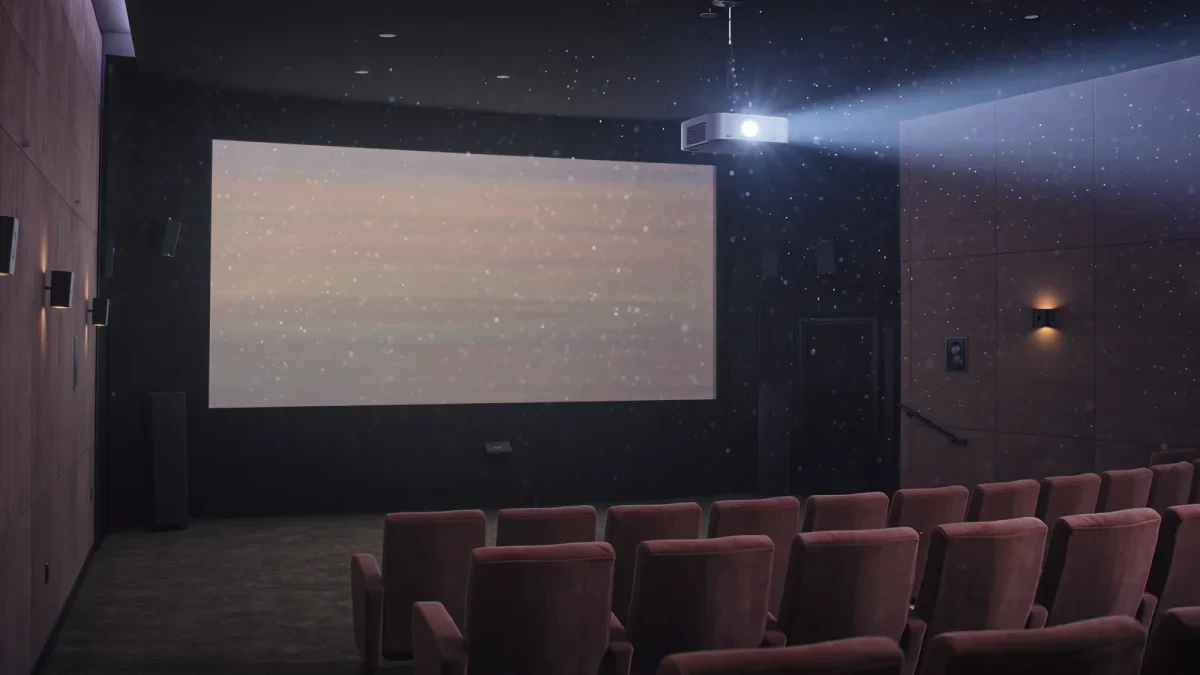
Runtime flexibility, advertised as freedom and experienced as a test of discipline. Streaming platforms accept — and often encourage — variable episode lengths, so a premiere can run 55 minutes, 70, or beyond the two-hour mark, and the only constraint is the viewer's patience, which is measured in retention analytics rather than act structure. The double-episode premiere became the streaming-era signature: two chapters dropped together so the show can clear its exposition in the first hour and start its actual story in the second, solving the old pilot problem — setup is boring — by simply allocating it more space. Some platforms have also released premieres theatrically or as showcase events, which pushes runtimes upward for reasons of occasion: an opening chapter built to feel like an event borrows cinema's duration along with cinema's screens.
Is a longer premiere actually better?
Not automatically, and the evidence of the last several seasons cuts both ways. Length removes the compulsion to be efficient, and efficiency was doing quiet structural work: the grid forced pilots to establish stakes legibly, because a confused viewer at 9:15 was a lost viewer at 9:30. A long premiere can afford slow-burn worldbuilding, but it can also afford ninety minutes of throat-clearing with the promise that things cohere by episode four — a promise made to the completion-rate dashboard rather than to any individual human being watching on a Tuesday. The strongest long premieres use the space for density, not pace: more story per minute, not fewer minutes of story. The weakest treat runtime as gravitas, mistaking duration for depth. The format's honest answer is that runtime is neutral and judgment is not; what matters is whether the extra minutes carry argument or atmosphere.
What does the trend reveal about the industry?
That television's forms follow its distribution economics, always. Runtime loosened precisely when the constraint that fixed it — the advertising clock — lost its grip, and the premiere swelled precisely when platforms decided that the first episode is the single most important retention instrument they have. The premiere is the top of the funnel; the analytics say most abandonment happens early; and the industry's response has been to load the opening hour with more of everything — cast, scale, runtime, directorial flourish. It is the cold open problem at season scale. There is also a defensive logic: a feature-length premiere is respectable, trailer-able, and difficult to dismiss as mere television, in an industry that spent decades apologizing for the word. The long premiere is the medium's longest-running insecurity, dramatized in minutes.
The 42-minute pilot was a small masterpieces factory because its walls were so tight. The 75-minute premiere has better tools and weaker excuses. What has not changed is the underlying job: make a stranger care within the first sitting. No runtime, long or short, has ever been able to do that job for a show that cannot.
What did the pilot-as-movie era get wrong?
It treated the first episode as a showcase rather than a promise. When prestige dramas started shipping feature-length pilots, the thinking was cinematic confidence — open big, spend the money, let the sweep announce the ambition — and audiences initially rewarded it, because a seventy-minute premiere felt like an event in a schedule full of forty-two-minute network hours. The trouble came in week two, when the show had to become a television series again and the gap between the premiere's scale and the regular episode's budget showed. Streaming schedules flattened that cliff by dropping whole seasons at once, so the bloated premiere stopped being a risky first impression and became chapter one of a single long sit. But the craft problem is unchanged: a premiere has forty minutes to teach the audience how to watch the show, and every extra minute past that is spent proving the show can afford itself.
Is there a ceiling?
There is, and viewers enforce it with their thumbs. Engagement data has reportedly made platforms skittish about the two-hour opener, since a premiere that loses a quarter of its audience before the title card is an expensive advertisement against the series itself. The smarter shows now split the difference: a long premiere followed by an unusually short second episode, or a double-episode drop where the first hour ends on a manufactured cliff and the second cashes it immediately. The form is negotiating with the binge, and the current truce looks something like a movie with a forced intermission — longer than an hour, shorter than a commitment, engineered so the door out is always slightly harder to reach than the next episode.