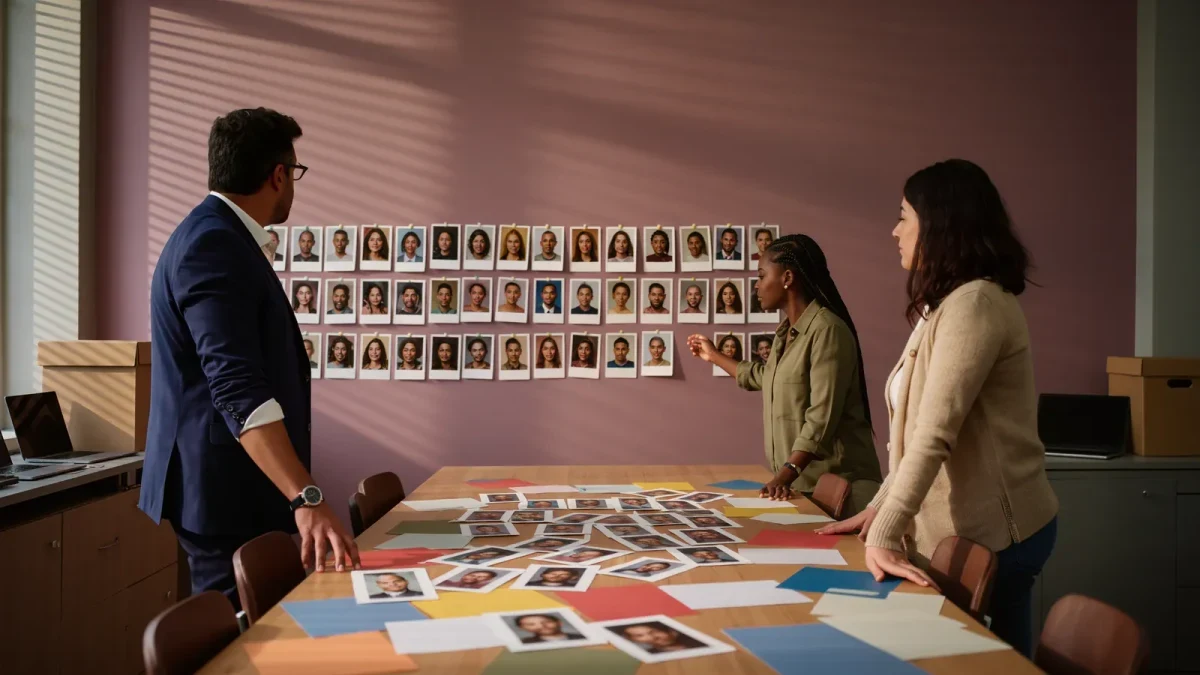
How the Anthology Format Survived the Streaming Era
The form that television kept declaring dead — new cast, new story, every season or every week — turned out to be exactly what binge economics needed.
Scripted series tracked across a season, with episode-level notes on structure, performance and the choices that make a run cohere or fall apart.
The form that television kept declaring dead — new cast, new story, every season or every week — turned out to be exactly what binge economics needed.
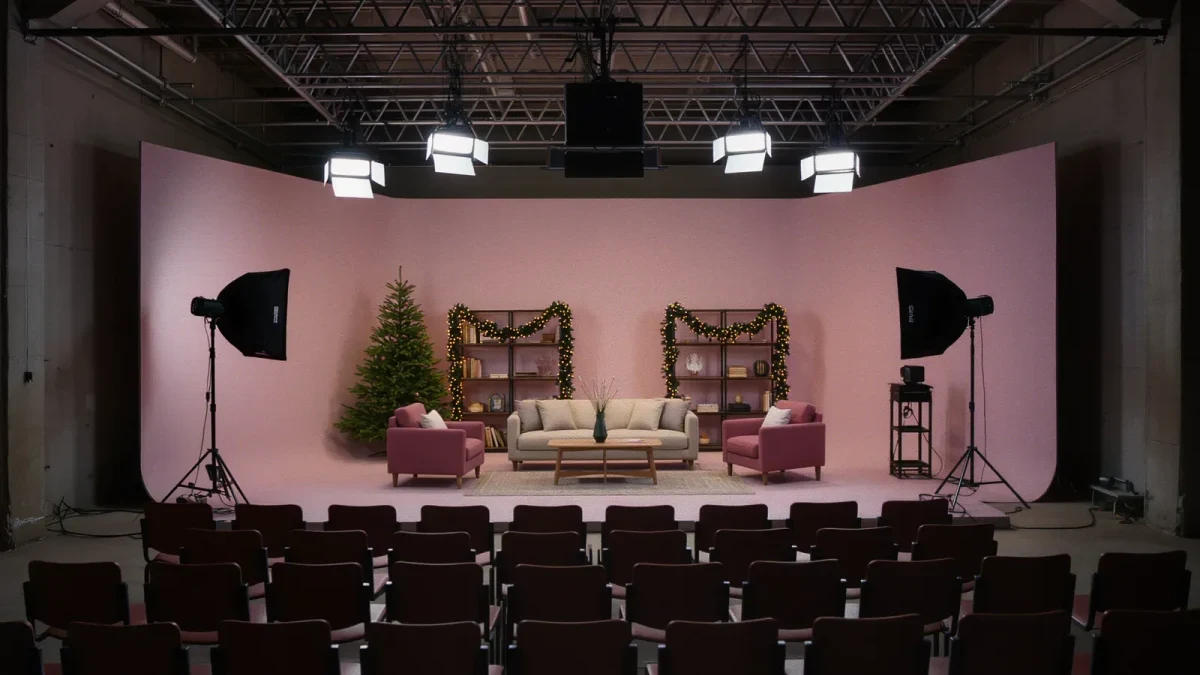
Halloween, Thanksgiving, and Christmas episodes persist because they solve problems streaming cannot: they bind a show to the calendar and give audiences a reason to watch on the night.
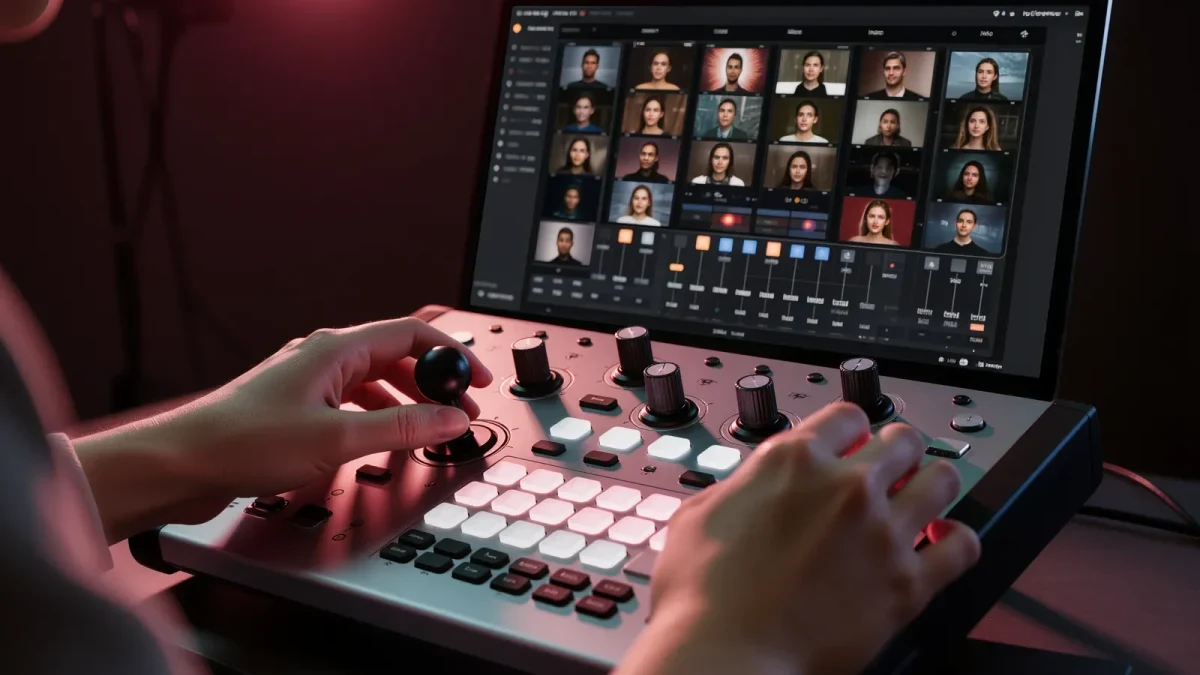
What began as a ninety-second memory jog for weekly viewers has become a compressed, spoiler-aware art — one that binge viewing nearly killed and then reinvented.
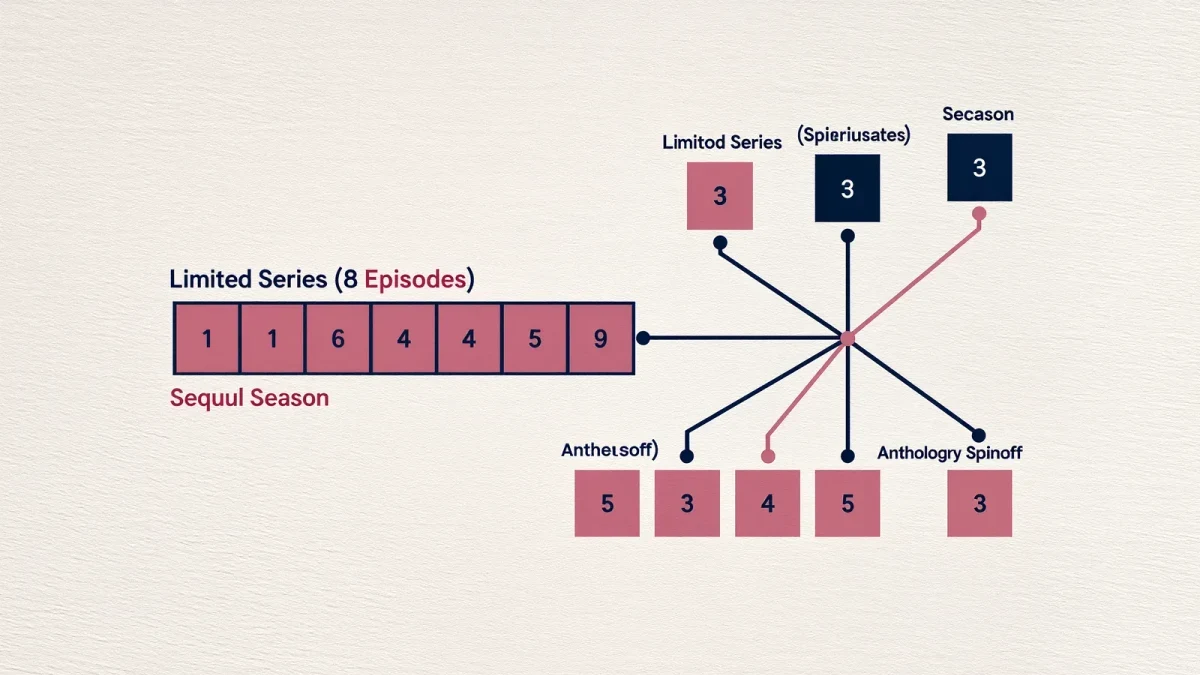
It gives streamers prestige, stars a manageable commitment, and audiences a guaranteed ending — which is why the format keeps getting bent and quietly broken.
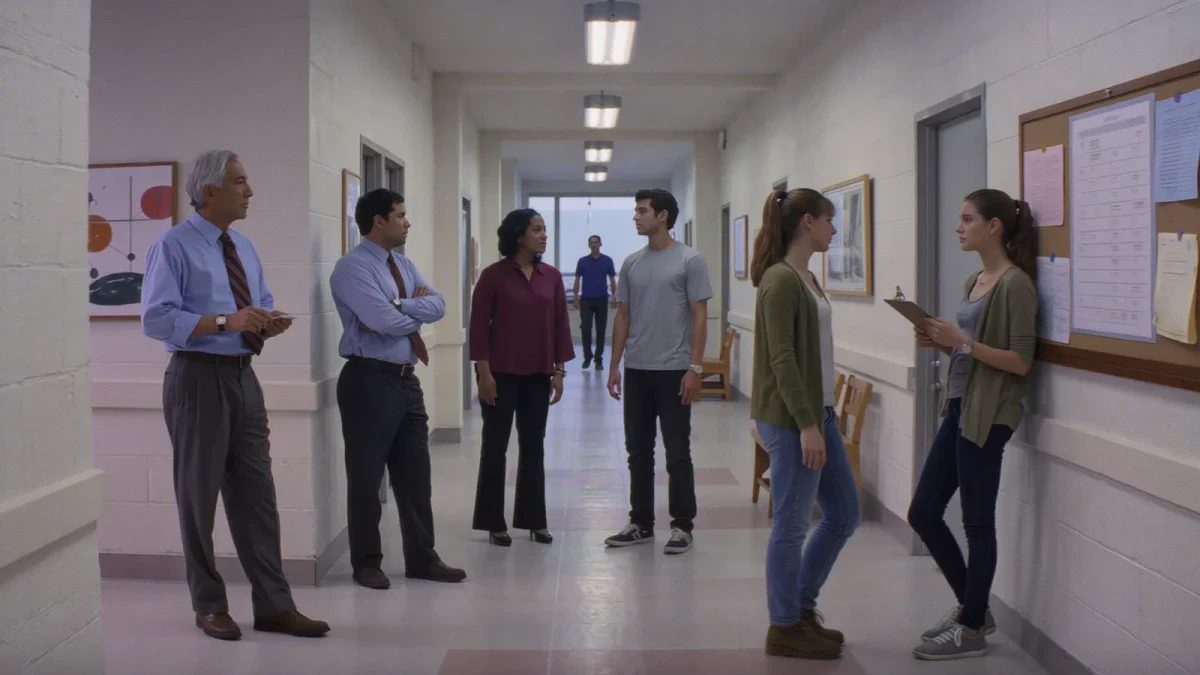
Once the industry's second chance — for failed shows' slots, for breakout hits, for viewers tired of fall's leftovers — the midseason replacement is disappearing with the calendar that created it.
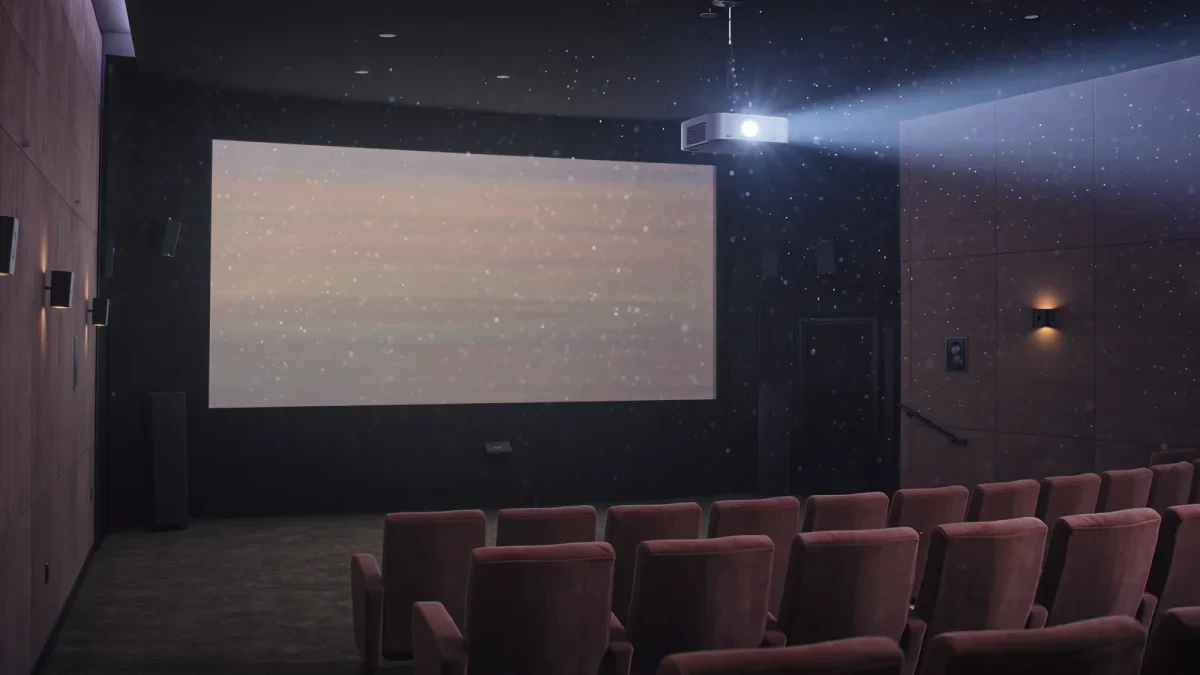
The 42-minute network pilot has given way to streaming opening chapters that run past the theatrical mark — a shift about control, not runtime vanity.