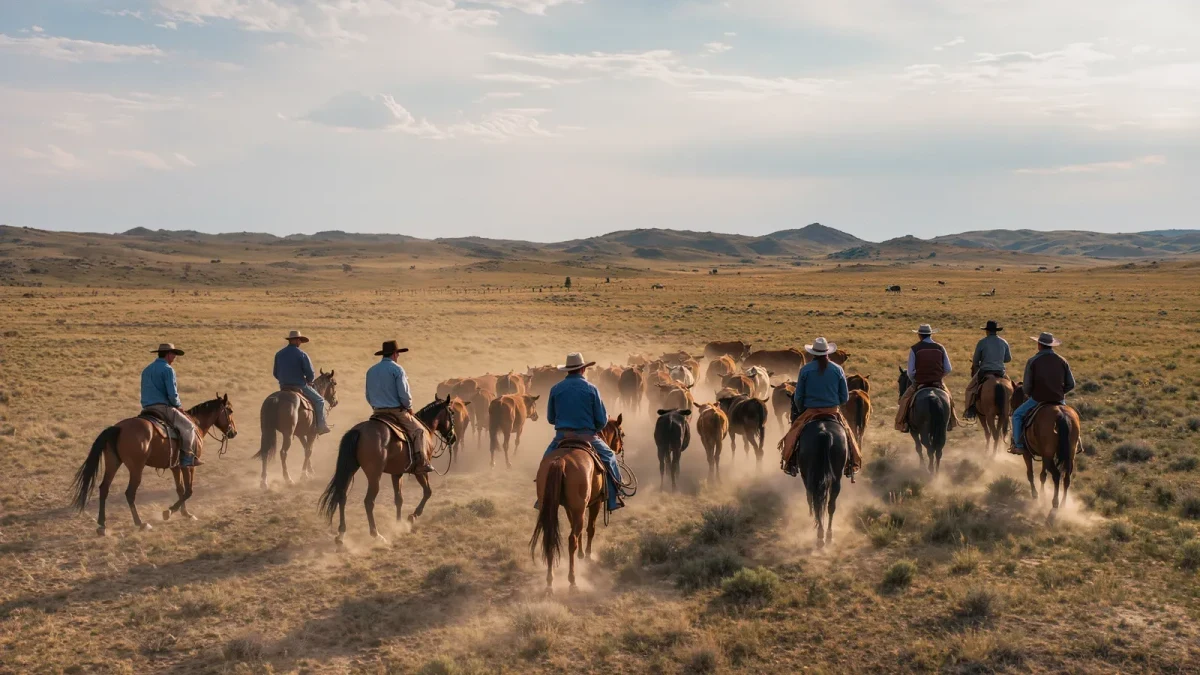
Taylor Sheridan turned one canceled actor's resentment into the biggest content machine in modern television. Yellowstone, the neo-western he created for the Paramount Network in 2018, ran five seasons into 2024 and became the most-watched scripted series on American cable in years, while its expanding universe of prequels and spin-offs — 1883, 1923, Landman, and more — became the cornerstone of the Paramount+ streaming strategy and earned Sheridan a reported nine-figure overall deal with the company in 2021.
How does a character actor become a screenwriter of note?
By writing his way out of the job. Sheridan spent the 2000s playing supporting roles, most notably on Sons of Anarchy, and has described in interviews how little control actors have over their material. His response was to write screenplays: Sicario, Denis Villeneuve's 2015 border thriller, earned critical acclaim; Hell or High Water, the 2016 Texas bank-robbery western, was nominated for the Academy Award for best original screenplay; Wind River followed in 2017. The films share a signature — vast landscapes, laconic men, institutional failure pressing down on rural life — and established Sheridan as a brand-name writer before he ever ran a series, an asset he then took to television.
Why did Yellowstone work when nobody expected it to?
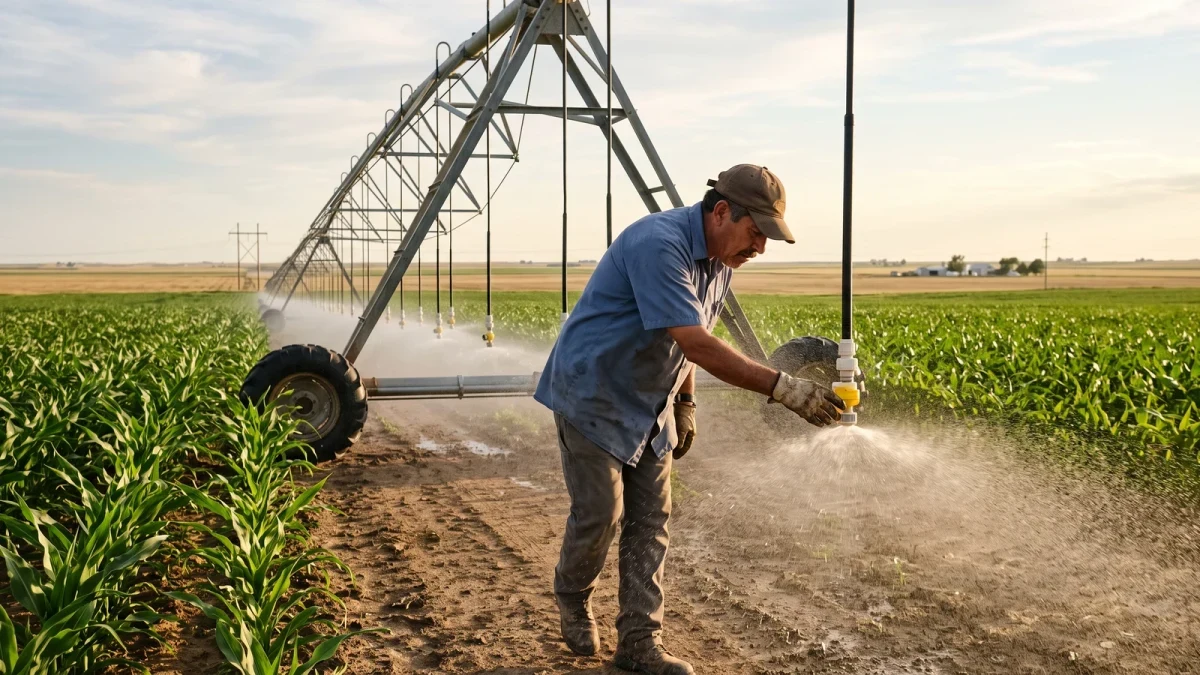
Because it served an audience the prestige era had stopped cooking for. Yellowstone, starring Kevin Costner as ranch patriarch John Dutton, is a broadcast-scale family soap in prestige clothing: land disputes, dynastic succession, cowboy set pieces, and morality plays staged against Montana mountains. Critics were slow to it; viewers were not. By its fourth and fifth seasons the series was drawing cable ratings in the multiple millions per episode, numbers broadcast networks themselves had stopped posting for scripted drama, and its library performance on Peacock — where it streamed owing to a licensing deal made before Paramount+ launched — became a standing industry lesson in leaving money on someone else's table.
The accident of that licensing miss shaped everything after. Paramount, watching a flagship build a rival platform, built Paramount+ around Sheridan's next creations instead: 1883, the frontier prequel starring Tim McGraw and Faith Hill, and 1923, with Harrison Ford and Helen Mirren, both period expansions of the Dutton myth; later came Tulsa King with Sylvester Stallone, the spy series Lioness with Zoe Saldaña, and the oil-industry drama Landman. By the mid-2020s Sheridan's slate constituted a majority of the platform's original drama slate — a single writer functioning, in effect, as a network.
What is the Sheridan method?
Volume, control, and a work ethic that reads like a rebuke. Sheridan writes quickly, often alone, frequently on horseback-adjacent deadlines, and has publicly described drafting entire seasons without a traditional writers' room — a practice that put him at the center of the 2023 Writers Guild negotiations' concerns about room sizes, when the guild's minimum-staffing proposals were widely discussed in relation to his shows. His productions shoot on real ranches, in his home state of Texas and across the Mountain West, and he has leaned into cowboy-labor authenticity, hiring real riders and ranch hands, which is both an aesthetic choice and a regional-economic argument.
Thematically the method is consistent: Sheridan writes about the decline of self-reliant livelihoods under regulatory and corporate pressure, and he writes it without the urban irony the prestige canon treats as default. His dialogue runs to speeches — monologues about land, duty, and the lien modern America has on the frontier — and his critics and fans agree on one fact: nobody else is making television for that audience at that scale, and that audience has responded by the tens of millions.
What happens to the empire now?
Compounding, with caveats. Yellowstone's flagship run ended in December 2024 after Costner's much-publicized exit reshaped the final season, and the franchise rolls forward through announced sequels and prequels, with a succession of new Sheridania in development through the mid-2020s. The structural question is durability: empires built on one voice generate scheduling risk when that voice is also directing movies, running ranches, and promoting the cowboy economy, and Paramount's post-2025 cost discipline has made every studio examine its mega-deals. But the underlying asset — an underserved mass audience with demonstrated loyalty — has not expired, and no competitor has yet replicated it.
Sheridan's career is the strongest existing argument that the streaming era's data had a blind spot. The platforms optimized for coastal taste and awards arithmetic; a Texas writer with a horse and a grudge about actor pay found the largest remaining audience in the country standing in a field, and sold them back their own horizon, one spin-off at a time.
Why does one writer scale where a room doesn't?
Because his machine is built on volume and consistency rather than iteration. A traditional show argues a season into shape — the room debates, the studio notes, the outline bends — and the process is slow, collaborative, and expensive per episode. A writers room of one, supported by a small trusted staff and a factory rhythm, simply produces: pages go out, shoots start, the next show is announced before the last one finishes airing. The quality trade-off is real and much debated — critics have noted the dialogue and the pacing can run hot — but the business logic is airtight, because the audience is not buying polish, it is buying a worldview that shows up on schedule. Fandoms form around reliability. The western has always understood this: the genre ran for decades on the promise that the same values would ride into town every week, and its second life in streaming is running on the same contract with a pickup truck.
What happens to the model after the empire?
The interesting question is whether it is replicable, and the early evidence says no — at least not as a formula. What studios took from the empire's success was the surface: contemporary westerns, land-and-family sagas, star vehicles with dirt under the nails. What they could not copy is the economics of a single sensibility with total creative control, because that is not a genre decision, it is a management decision, and most institutions are built to prevent exactly one writer from owning that much of a slate. The likely legacy is narrower and more durable: proof that an underserved audience, spoken to directly and often, will show up in numbers the prestige market cannot generate. Every network that spent the streaming decade chasing the coastal critique-and-award economy has quietly rerun that math. The hole in the schedule was never western-shaped; it was audience-shaped, and filling it turned out to be worth more than any of the shows that got the awards.