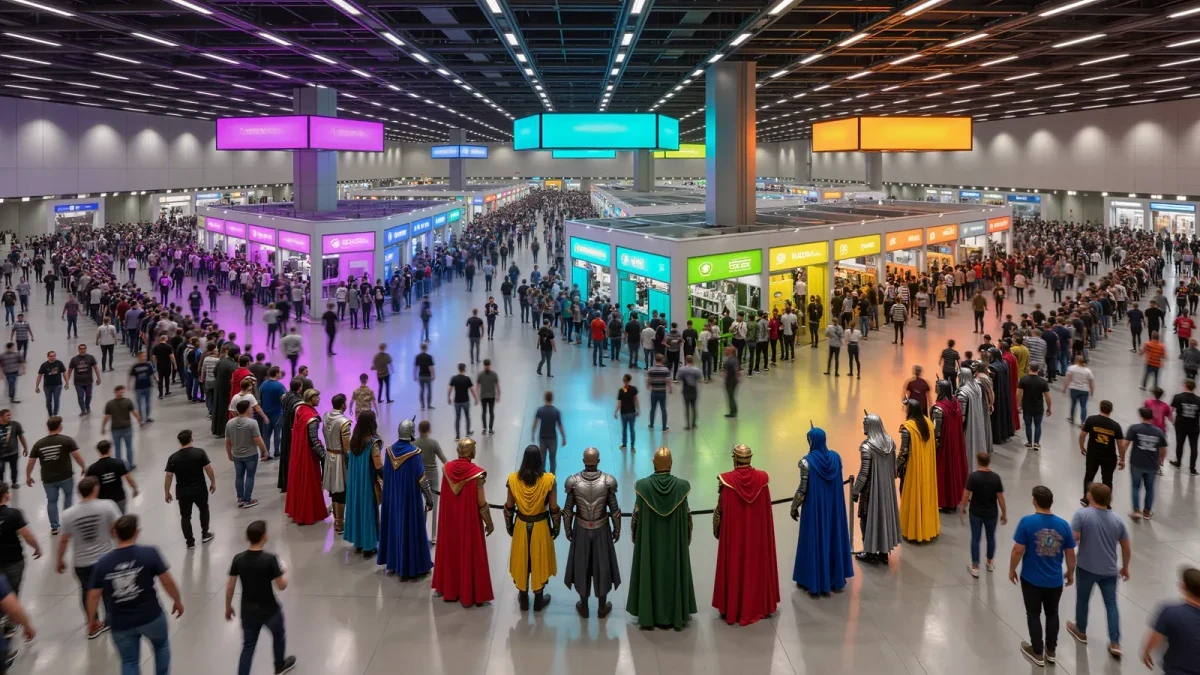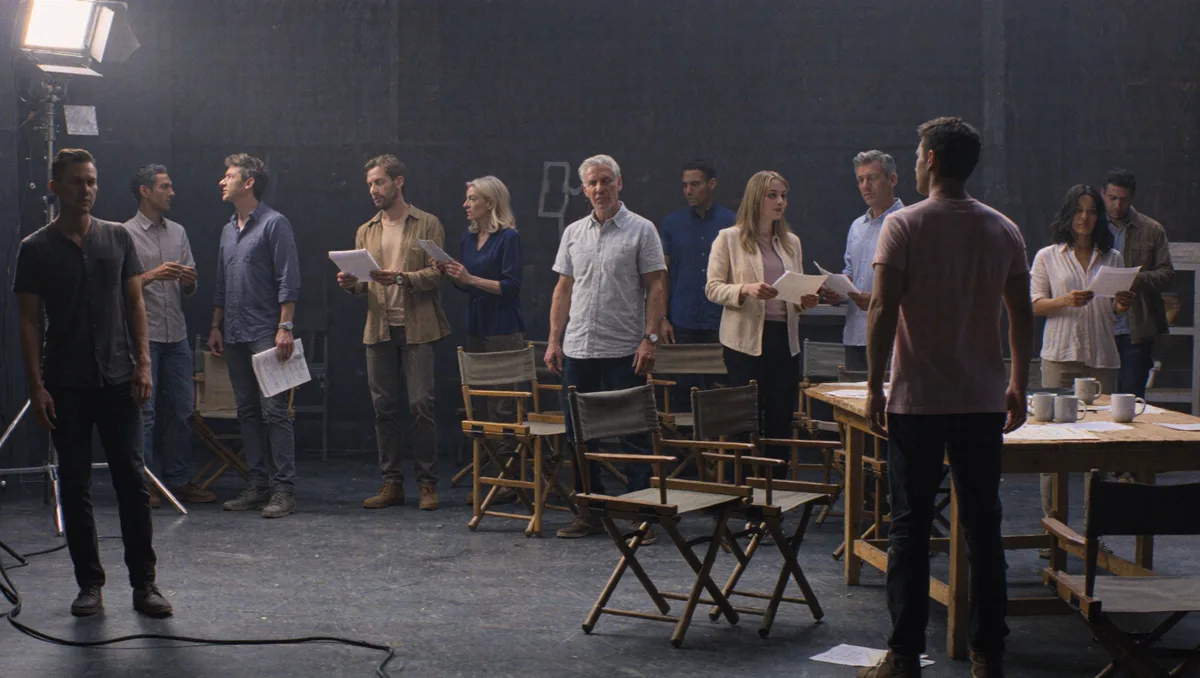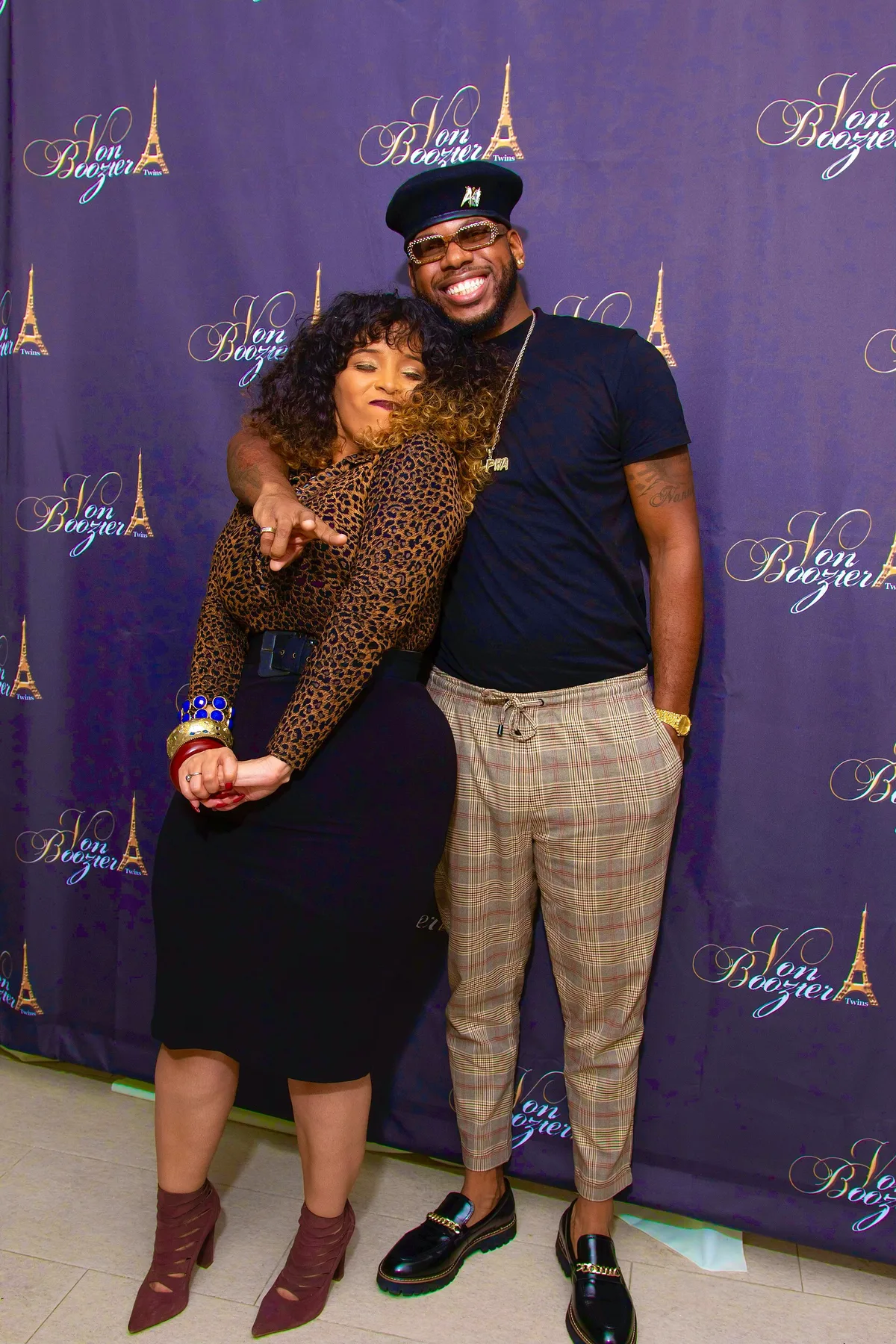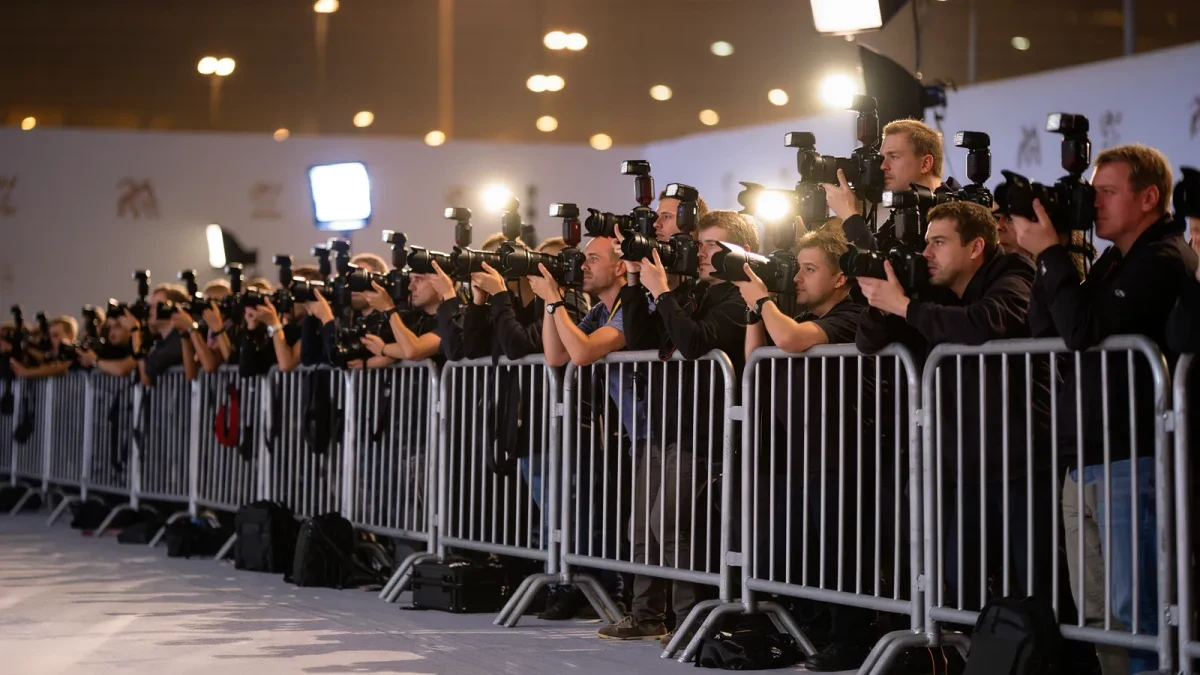
A television premiere tour is a sales campaign conducted in eveningwear. Across one or two concentrated weeks, a cast is moved through photo calls, step-and-repeats, talk-show couches, and platform-produced panels, generating the image volume that publications, aggregators, and the platform's own channels will re-circulate into the release window. The red carpet is the campaign's central factory: a corridor, a backdrop stitched with logos, and a row of photographers, producing in an hour what an advertising department would need a quarter to fake. Nobody walks it for the exercise. They walk it because a show's launch now runs on photographs the way an engine runs on fuel.
What is a premiere tour actually for?
Awareness, compressed into the window when it is most actionable. Streaming-era releases front-load their audience: the weeks around a premiere are when a series is most visible on a platform's home screen, most discussed, and most likely to convert a curious click into a viewing household. The tour exists to fill that window with the show's faces. Every red-carpet photograph is an asset that travels without a publicist attached — it surfaces in galleries, in fashion coverage, in algorithmic feeds — and it does double duty, selling the series to prospective viewers while selling its stars as people who attend things, wear things, and are having, per the mandated posture, a wonderful time. The economics reporters who track entertainment marketing at outlets like Bloomberg have spent years describing launch spend as a core platform expense. The carpet is where a portion of that spend physically stands.
Why is the photograph the whole game?
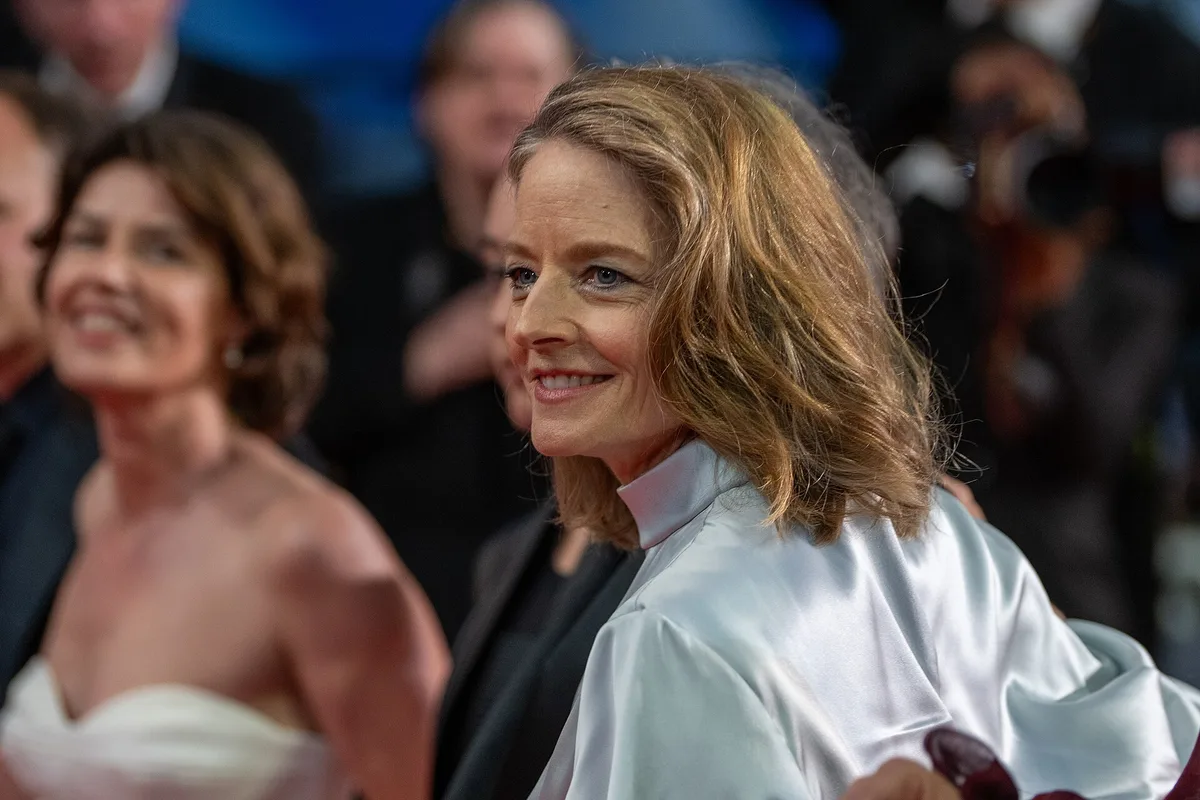
Because a red carpet is a studio, not a hallway. The mechanics are older than streaming: a step-and-repeat wall covered in repeating logos so that no photograph escapes without branding; a shooting position order negotiated among agencies; lighting built for cameras rather than eyes; and a walking pace — measured, pausing, turning — choreographed to give every lens its frame. What changed is the downstream. In the network era, those images landed the next morning in a handful of outlets and a print page or two. Now they land within minutes, everywhere, indefinitely, re-circulated by fan accounts and fashion indexes and the platform's own social channels, each repost another free impression for the show stitched to the dress. The carpet did not get more glamorous. It got more measurable.
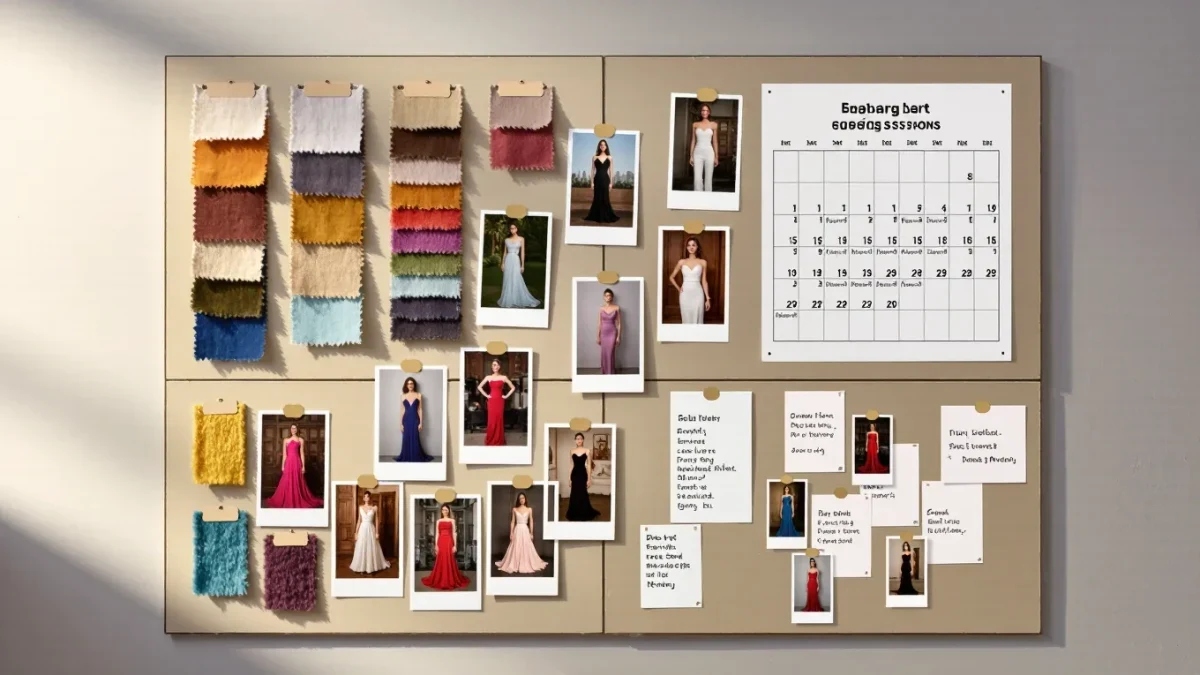
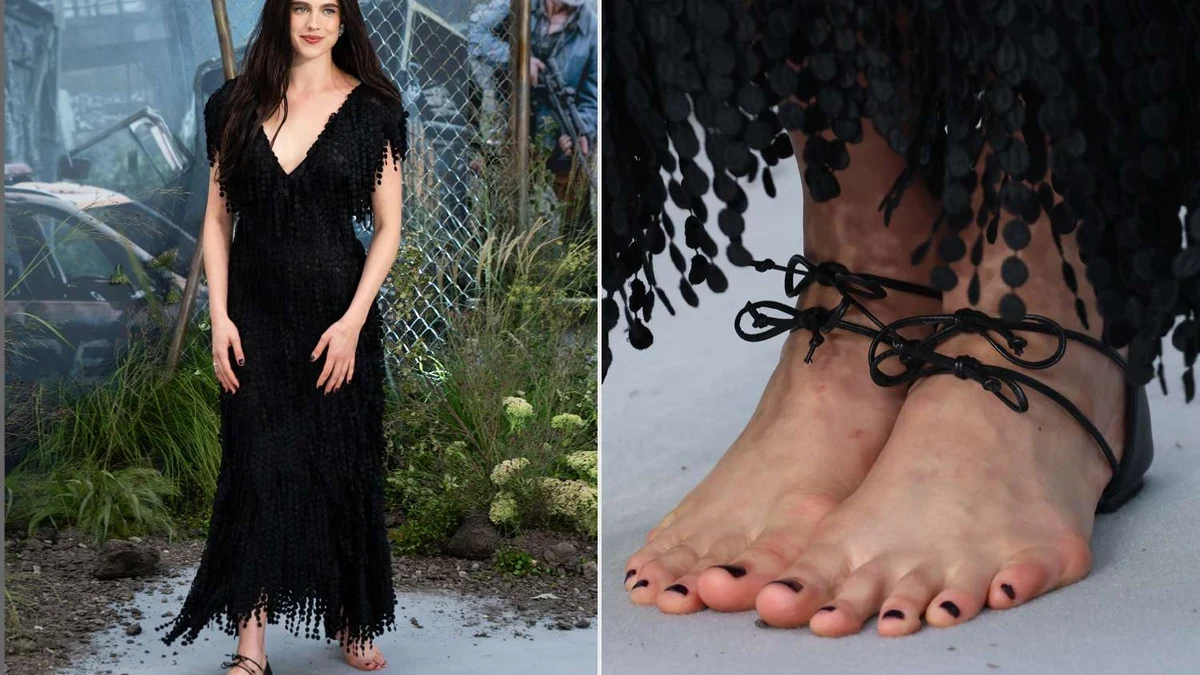
The wardrobe became part of the machinery at the same tempo. Styling a premiere look is now a marketing deliverable negotiated alongside the appearance itself: the gown must photograph under flash, read at thumbnail size, and carry a story juicy enough for the fashion press to cover, because each coverage item is another placement carrying the show's name in its caption. The cast's collective look is art-directed to a degree the old studio system would have recognized and the 1990s would have found absurd — coordinated palettes, tiered formality between leads and supporting players, and a quiet understanding that nobody upstages the backdrop's logos. What looks like sixty individuals dressing for a party is closer to a wardrobe department shipping a product launch, one silhouette at a time, and the fashion industry's entertainment vertical has grown up specifically to process its output.
How does the tour's schedule actually work?
Like a military exercise with better tailoring. A global release for a major series may stack premieres across two or three cities in a week — the cast shuttled through London, Los Angeles, or wherever the platform's regional push demands — with each stop repeating the same components: the carpet, the screening, the party constructed for its own photographability, and the next morning's talk-show and press junket rows, where the same cast answers the same questions with practiced variations. The junket is the carpet's talkative sibling: a hotel suite, a rotating relay of five-minute interviews, and a supply of anecdotes doled out one outlet at a time so that coverage drops in a staggered drumbeat rather than a single splash. Individually, each piece is content. Collectively, they are a schedule — a designed sequence meant to hold the show inside the conversation for exactly as long as the algorithmic window stays open.
Who pays, and who profits?
The platform or studio pays for all of it — venue, travel, styling support where contracts provide it, the photographers' positions, the backdrop itself — because the tour is classified as marketing, not indulgence. The profit splits several ways. The show receives launch visibility it could not buy as advertising with the same credibility, since a photograph of a happy cast reads as news while an ad reads as an ad. The performers receive the currency of presence: magazine placement, fashion coverage, and the general industry signal that they are promoting something, which is itself a form of employment signaling in a business where being off the circuit is read as being out of work. And the fashion ecosystem receives its symbiosis — stylists, jewelers, and houses lending dresses in exchange for identification coverage that the entertainment press duly files. The red carpet is the rare marketing device where every participant is also a beneficiary, which is why the machine never lacks volunteers.
Does any of this actually move audiences?
Attribution is the industry's favorite argument, and the honest answer is: directionally yes, precisely nobody knows. Marketing executives operate on the assumption that launch-window visibility correlates with early viewing, and early viewing correlates with renewal-scale performance metrics, so the tour survives every budget review on the logic that its absence would be noticed before its presence is measured. What is observable is behavioral: platforms repeat the format for every major release, expand it for global ones, and cancel it for none — the market's own verdict on a machine whose output feeds too many channels to dismantle. The carpet endures because it is the last piece of the television business that works exactly as designed: everyone shows up, everyone shoots, and the photographs, unlike the ratings, are guaranteed.