Late-night talk shows still matter to a television star's career because they are the last remaining venue where a performer can be seen being themselves — or a polished version of themselves — for twelve unbroken minutes, and the math supports the format's persistence: the major network shows alone book thousands of celebrity guests per year, and the clip economy recycles each appearance into an asset that circulates long after the broadcast. The couch is not promotion. It is proof of work.
What is a late-night guest spot actually for?
The official answer is that the actor is promoting something — a premiere, a season return, a project the network sibling happens to air. The real answer is broader. A guest spot demonstrates, in front of the exact audience most likely to care, that the performer can be charming without a script, tell a story with a beginning and an end, and survive an audience's silence or a host's interruption. Casting directors watch. Publicists watch. So do the executives who decide whether an actor can carry a press tour, because a series lead who is bad at promotion is a marketing problem, and marketing problems do not get lead roles. The anecdote segment — the charming story about a pet, a disaster on set, a chance encounter — is a competitive discipline dressed as small talk, and everyone on the production side of the desk knows it.
How did the clip economy change the format?
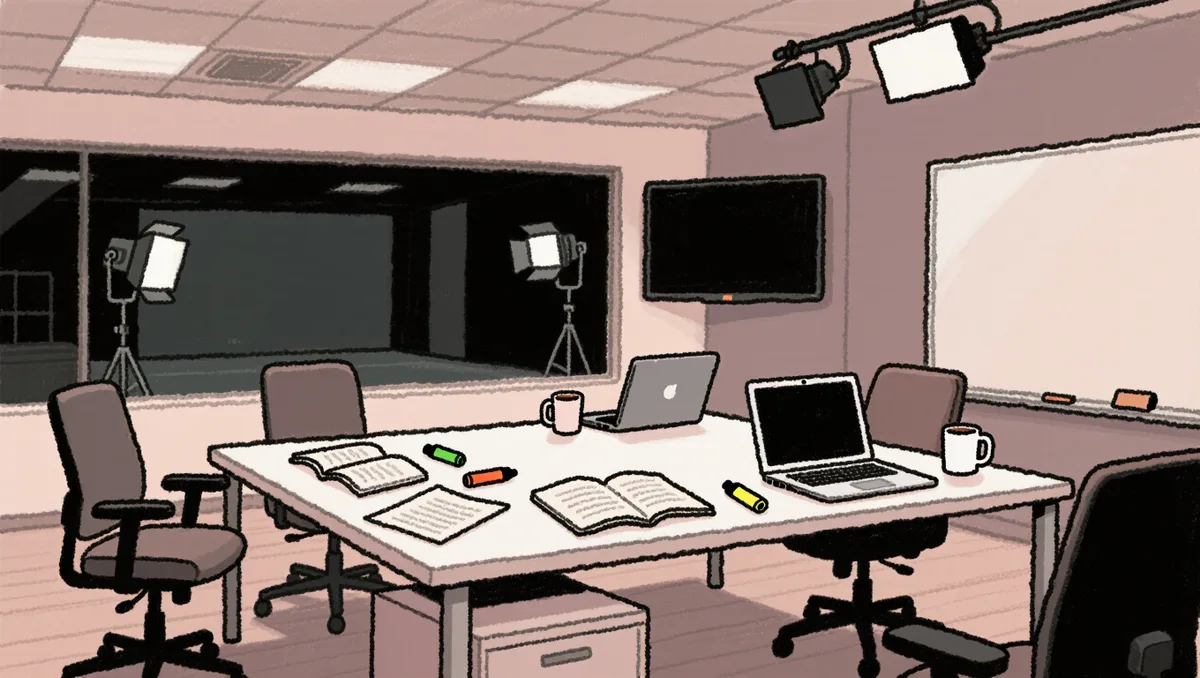
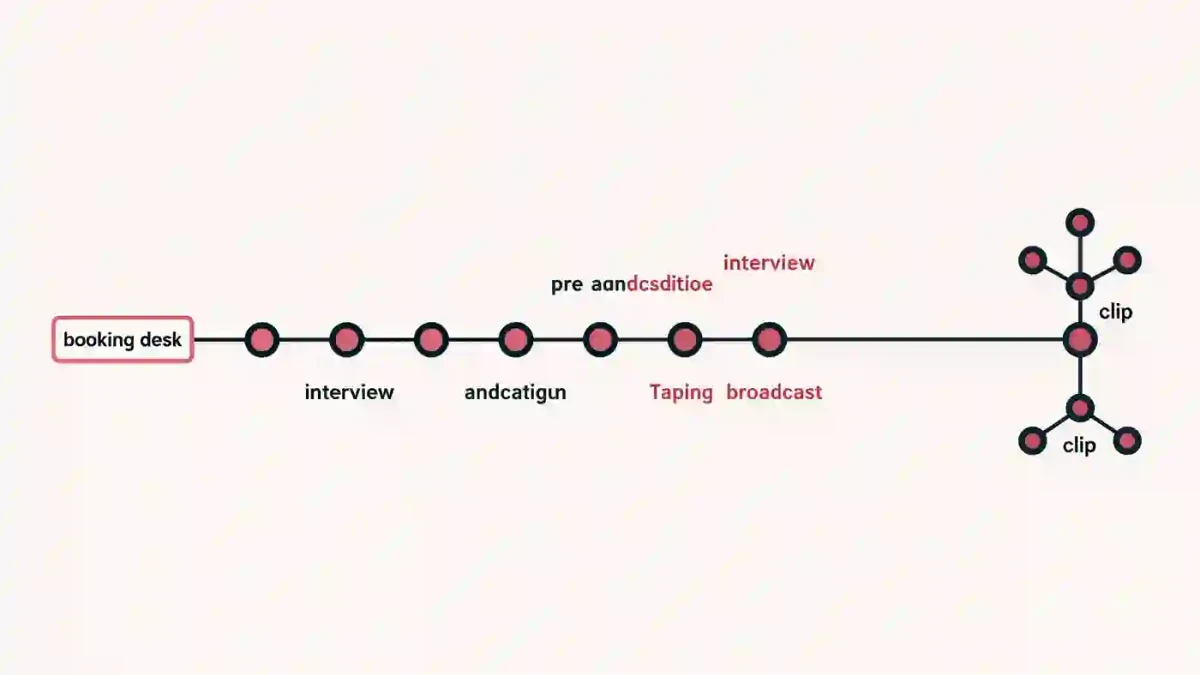
Two decades ago, a late-night appearance lived for one night and evaporated. Today each segment is diced into vertical video within hours, and the measure of success has shifted from the studio audience's applause to whether a single anecdote detaches from its context and travels. This changed the craft of the appearance itself. Publicists now shop anecdotes in pre-interviews the way studios shop scripts — a good pet story is developed, a weak one is killed — and performers arrive with bits effectively blocked like scenes: the prop, the impression, the photo ready to appear on the screen behind them. The pre-interview producer, a job the audience never thinks about, has become one of the more powerful taste-making positions in television, deciding which of a star's stories becomes a two-million-view clip and which dies in the room.
Why do hosts matter more than shows now?
The host used to be a fixture and the show was the institution; the current era has inverted that, with hosts functioning as brands whose taste confers status. A first visit to a top-tier host's chair functions like a debut; a recurring guest-chair dynamic — the running bit, the fake feud, the recurring game — can sustain an actor's cultural presence between seasons when there is nothing new to promote. The best hosts run their programs like curators of charm, and a performer who fits a particular host's rhythm gets invited back, each visit compounding the previous one. In an industry that struggles to manufacture familiarity on demand, the repeat guest slot is one of the few reliable instruments left.
Does the couch still sell a show?
The evidence is mixed in the best way, which is to say the couch sells the person, and the person sells the show indirectly. No one tunes into a premiere because an actor told a dog story, but the aggregate effect of a press-ready lead — charming on the circuit, quotable in the clips, game for the bit — shapes the perception of a series before a single review runs. This is why the guest list is studied each fall like a schedule announcement: who is booking which couch, in which order, tells the industry what the networks believe in. A star sent to every chair in one week is being positioned; a star sent to exactly one is being calibrated. The appearance economy runs on this semiotics, and it predates every platform that now piggybacks on it.
Why do some stars seem permanently booked and others never appear?
Access is the invisible variable. The network family matters — a performer on a corporate sibling show gets the machinery of cross-promotion — and publicist relationships with booking desks determine who is even in the candidate pool. Some performers are genuinely unsuited to the format and are quietly steered away from it toward podcasts, where a three-hour conversation rewards depth over quickness. The division of labor is settling: the couch for charisma in short bursts, the podcast for depth, social video for frequency. The stars who understand which instrument they actually play are the ones who stay visible in the gaps between seasons — and staying visible in the gaps is, at this point, most of the job of being famous in television.
What did the five-hosts era leave behind?
A habit, mostly. When late night multiplied from three chairs to a dozen across broadcast, cable, and streaming, the press-junket logic inverted: instead of one booking that certified you, there became an endless rotation of chairs, each with a smaller audience and a longer clip shelf life. A publicist now thinks in portfolios — one podcast for depth, one network hour for the older demo, one short-form clip for the algorithm — but the network late-night set is still the room with the lighting budget and the curated anecdote. The slot list shrank; the slot never stopped mattering.
Can a bad late-night appearance actually hurt?
Rarely a career, often a news cycle. The format is forgiving by design — the host rescues, the band plays, the story about a dog carries the segment — but the clips are unforgiving forever. An actor who is visibly bored, or who answers in monosyllables while promoting a film the studio paid millions to sell, becomes a looping clip inside the hour, and publicists keep private lists of hosts whose desks their talent cannot survive. The preparation is real: anecdotes are workshopped, the host's team seeds questions, and the whole transaction runs on the polite fiction that two celebrities are having a spontaneous chat. When the fiction works, it sells tickets; when it fails, it at least proves the performer is human, which is its own kind of promotion.