Television award campaigning is a months-long industrial process that begins the moment a season ends and peaks each summer with the Emmy voting window, and it is not a metaphor: studios mount coordinated operations — screeners mailed or streamed to every eligible voter, multi-city events, trade advertising, and personal appearances — that industry reporting has repeatedly estimated can run a serious contender's campaign into the millions of dollars. The statue is voted on in weeks; the campaign that wins it is built over half a year, and the performer is its most visible working part.
What is a 'For Your Consideration' campaign?
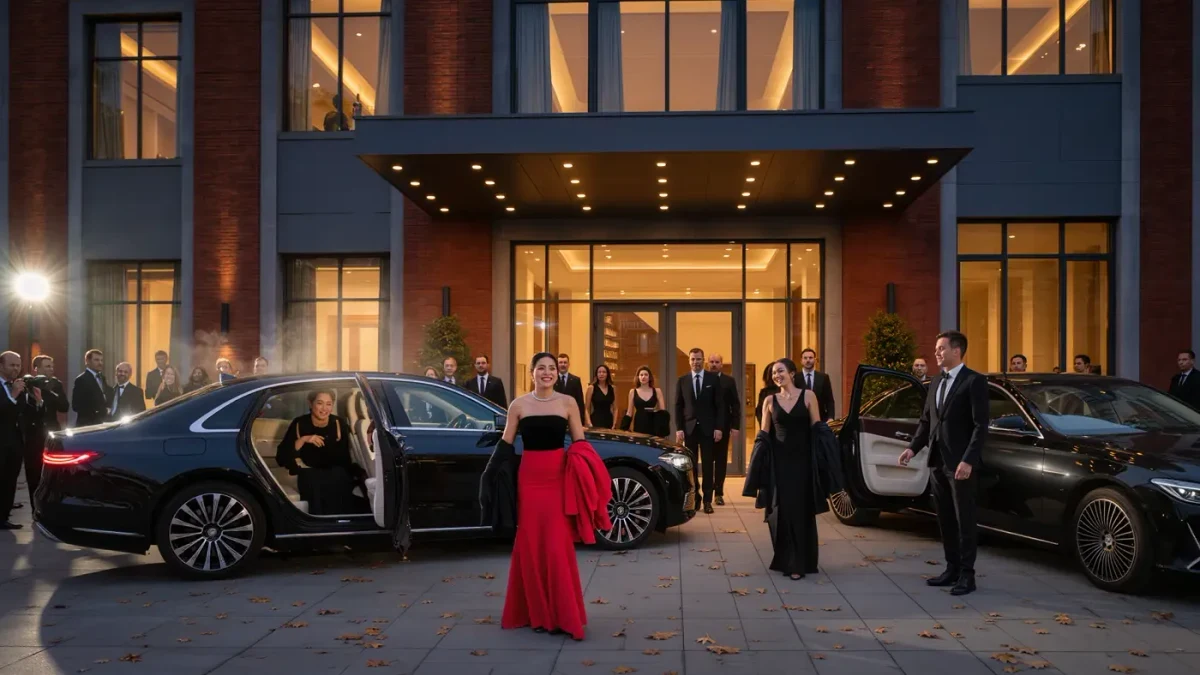
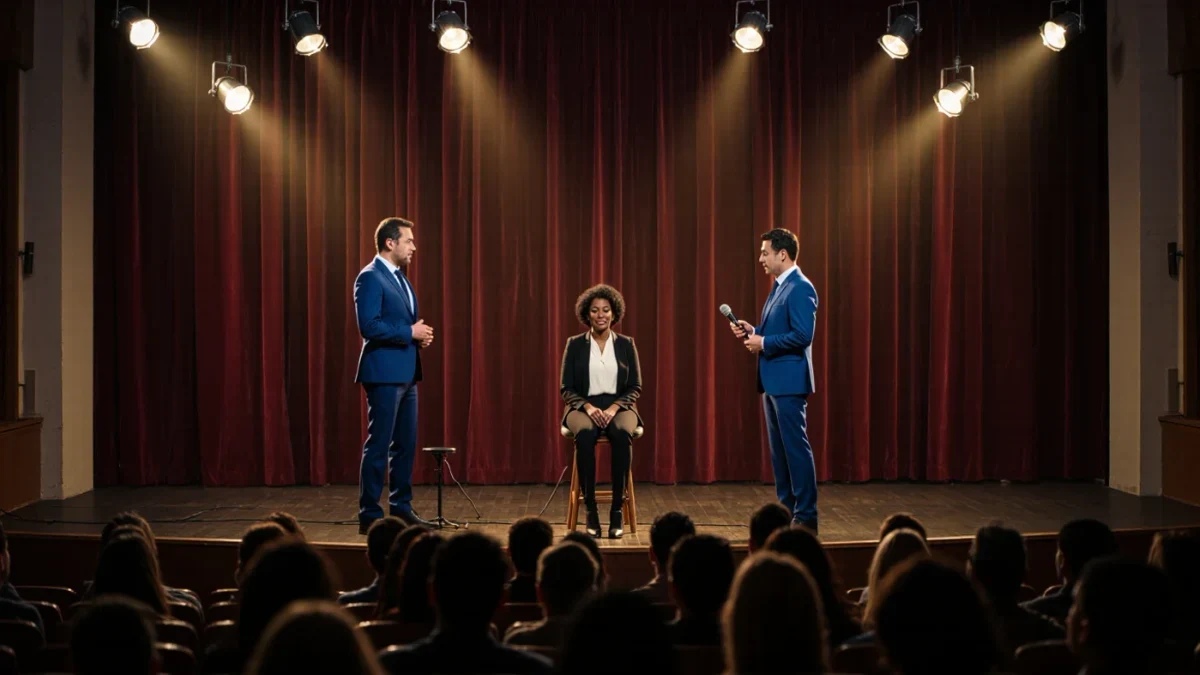
The phrase is literal. Studios submit their series and performers for nomination, then spend the spring politely requesting that voters consider them — a request delivered through every channel the academy's rules permit. The infrastructure includes episode screeners, which ensure voters can actually watch the work; the trade ads, which ensure they cannot forget the work exists; and the FYC events, moderated panels where cast and creators discuss the series in front of voting members, usually followed by the greeting line, a ritual in which a nominee shakes several hundred hands while remembering, impressively, not to check the time. The events are staged in venues that signal prestige and scheduled in a density that turns Los Angeles in May into a industry-wide open house for approximately ten thousand voters.
Why do performers have to campaign at all?
Because the voting body is large, busy, and human. Emmy voters are asked to judge hundreds of eligible programs across a year in which the number of scripted series has run past five hundred, per recurring industry counts. Nobody watches everything. Campaigning solves an attention problem before it solves a quality problem: the work has to be seen, its best episode has to be chosen strategically, and the performer's name has to attach to a face and a handshake. This is why the episode-submission decision — which single hour best represents a season's work — is treated inside the industry as a tactical art, and why a beloved performer with a weak submission can vanish from the conversation entirely. The campaign cannot make voters love a performance. It can make sure the performance arrives.
How much does a campaign actually cost?
Precise figures are private, which tells you something, but the components are publicly visible and the trade press has estimated major pushes in the seven-figure range for decades. Screeners, venues, talent time, publicists, and advertising compound quickly, and streamers — with subscriber acquisition to justify — have historically spent without the restraint broadcast accounting once imposed, a shift covered extensively by Bloomberg and Reuters in their media industry reporting. The spending has a self-limiting absurdity built in: when every contender is loud, silence reads as surrender, so the floor keeps rising. A nomination now carries an implied budget the way a theatrical release carries a marketing plan, and smaller shows must choose their battles — one event, one ad, one perfectly chosen episode — like a campaign with a tenth of the resources fighting a primary it cannot afford to lose.
What does a performer actually do on the circuit?
The visible work: panels, press interviews, podcast rounds, and the events, where availability is the entire strategy — a lead who can attend consistently for two months keeps a campaign alive in a way no billboard can. The invisible work is harder. Performers are coached on which anecdotes to tell about the role, how to speak about a character's arc in themes rather than plot, and how to make a performance sound like a decision rather than an accident, because voters respond to intention. There is a performative modesty to the whole ritual that curdles into its own genre: the actor humbly explaining, for the fortieth time, the precise craft of a scene, with the cadence of someone who has found the joke and the silence in it. The best campaigners make it look like conversation. It is closer to a repertory performance staged in increments, and the nominees who resent it rarely say so until long after the voting closes.
Does campaigning decide who wins?
It decides who is considered, which is most of the battle. The final vote still rewards the work — a transcendent season can beat a superior operation — but in a field where several contenders are excellent, the tie breaks toward familiarity, presence, and the accumulated impression that a win would feel like an event. Campaigning is the industry's way of manufacturing that feeling on schedule. It is exhausting, expensive, occasionally absurd, and completely load-bearing: the modern television performer's public professional life now includes, alongside the shoot and the press tour, a third season of labor — the one where they campaign for the honor of being celebrated for the other two.
Why do streaming shows campaign harder than network ones?
Because a network hit already had its receipt printed — ratings, ad revenue, a syndication afterlife — while a streaming series exists in a fog of proprietary dashboards nobody outside the building can read. An Emmy nomination is the one third-party verification available, a sentence a marketing team can put on a poster that claims, verifiably, that critics and peers judged this thing the best of its kind. So the services that ended the ratings economy now spend the most to replace it with trophies, and the performers who do the campaigning are the visible edge of that effort: the Q&A, the variety interview, the panel where a publicist has planted the anecdote that frames a whole season. The work is invisible until the moment it produces a montage clip, and then it looks like an actor being charming for forty minutes.
Does any of it change an actor's quote?
One nomination, rarely. A win, sometimes. A pattern — the repeat nominee whose name shows up on the shortlist three years running — reliably, because casting directors and studio marketing teams both read nominations as pre-sold audience awareness. That is the quiet reason seasoned performers keep doing the circuit even when they claim to hate it: the campaign is not really for this trophy, it is for the next contract, and the coverage functions as a rolling advertisement no one has to declare as one. There is a shelf life, though. Campaign too hard and the trade coverage turns from your performance to your campaigning, which is the one narrative no publicist can spin back.